
You were walking through your neighborhood when a dog rushed out from an open gate and attacked you, biting your arm and leg multiple times before the owner could pull it away. The injuries required emergency surgery, left permanent scarring on your arm, and created lasting psychological trauma. You now feel anxiety around all dogs and avoid walking in your neighborhood.
The dog owner apologized profusely, saying their usually friendly pet had never bitten anyone before and they don’t understand what happened. Their homeowner’s insurance company called offering to pay your medical bills but nothing for scarring, lost wages, or emotional distress. You wonder: Is the owner liable even though the dog never bit before?
Can you recover more than just medical expenses? Do you need a Michigan dog bite attorney to protect your rights?
Michigan dog bite law is more favorable to victims than most states. Unlike jurisdictions requiring proof that owners knew their dogs were dangerous, Michigan imposes strict liability, meaning owners are responsible for bite injuries regardless of the dog’s history or the owner’s knowledge of aggression. Understanding Michigan’s dog bite statute, what damages are recoverable, insurance coverage issues, and when you need experienced dog bite lawyers is essential for securing full compensation after attacks that can cause physical injuries, scarring, and lasting psychological trauma.
Michigan’s Strict Liability Dog Bite Law
MCL 287.351 creates favorable law for bite victims by removing traditional barriers to recovery.
The Statute States:
“If a dog bites a person, without provocation while the person is on public property, or lawfully on private property, including the property of the owner of the dog, the owner of the dog shall be liable for any damages suffered by the person bitten, regardless of the former viciousness of the dog or the owner’s knowledge of such viciousness.”
Key Elements Explained:
Strict Liability:
Unlike negligence-based claims requiring proof of owner carelessness, strict liability means owners are automatically liable when dogs bite. You don’t need to prove the dog had bitten anyone before the attack that injured you. You don’t need to prove the owner knew their dog was dangerous or had aggressive tendencies.
You don’t need to prove the owner was negligent in controlling their dog by failing to use leashes or proper restraints. You don’t need to prove the owner did anything wrong at all beyond owning the dog that bit you. Simply proving the bite occurred and establishing the other statutory elements is sufficient to establish liability, shifting the burden away from injured victims and onto dog owners.
“Without Provocation”:
Victims must not have provoked the attack for strict liability to apply. Provocation includes hitting or kicking the dog in ways that would naturally elicit defensive responses. Tormenting or teasing the dog through sustained harassment that would anger or frighten any animal constitutes provocation.
Threatening the dog with aggressive gestures or approaching in threatening manners creates provocation. Interfering with the dog’s food while it’s eating or bothering puppies when the mother dog is nursing can trigger protective aggression that courts may deem provoked.
Children: Young children incapable of provoking dogs due to their age cannot be found to have provoked attacks under Michigan law, providing strong protection for child victims whose innocent behavior might frighten dogs but doesn’t constitute legal provocation.
“On Public Property or Lawfully on Private Property”:
Liability applies when victims are on public property including streets, sidewalks, and parks where anyone has a legal right to be, or when lawfully on private property as invited guests, mail carriers performing their duties, utility workers reading meters or performing repairs, or anyone else with a legal right to be on the property.
Exception: Trespassers generally can’t recover under the strict liability statute since they lack legal right to be on the property, though traditional negligence claims may still apply in some circumstances involving trespassing victims.
At The Joseph Dedvukaj Firm, we represent Michigan dog bite victims throughout the state, holding owners accountable under Michigan’s strict liability law and pursuing full compensation for all injuries and losses including those insurance companies routinely undervalue.
Types of Injuries from Dog Attacks
Dog bites cause various injuries ranging from minor wounds to catastrophic trauma affecting victims physically and psychologically.
Physical Injuries:
Dog bites cause a spectrum of physical injuries, many requiring extensive medical treatment and causing permanent damage. Lacerations and puncture wounds from powerful jaws create deep tissue damage extending far beneath visible skin injuries, often damaging muscles, tendons, and nerves in ways that aren’t immediately apparent. These wounds carry serious infection risks including staph bacteria, antibiotic-resistant MRSA, and in rare cases rabies when animals aren’t properly vaccinated.
Wounds frequently require surgical repair and reconstruction to restore function and minimize scarring.
Fractures can occur from the tremendous pressure of a dog’s bite, with some large breeds exerting over 500 pounds per square inch. Direct bite force causes broken bones in the bite area when jaw pressure exceeds what bones can withstand. Defensive fractures on arms and hands occur when victims instinctively try to protect themselves from attacking dogs.
Facial fractures result from particularly severe attacks targeting heads and faces, often requiring complex reconstructive surgery.
Facial injuries prove especially devastating both medically and psychologically. Disfiguring scars permanently affect appearance and self-esteem, particularly on faces, necks, and other visible areas. Eye injuries from direct bites or scratches may threaten vision or cause permanent vision loss.
Damage to noses and ears frequently requires multiple reconstructive surgeries to restore appearance and function. Dental injuries from direct bites to mouth and jaw areas can break teeth, damage dental work, and cause TMJ problems.
Nerve damage from deep bites creates long-term complications including loss of sensation in affected areas that may never fully recover, leaving permanent numbness or tingling. Weakness or even paralysis when motor nerves are severed prevents normal muscle function and movement. Chronic pain syndromes that persist long after visible wounds heal cause ongoing suffering and disability.
Scarring and Disfigurement:
Permanent scarring from bites causes physical disfigurement affecting appearance in ways that plastic surgery may improve but rarely completely eliminates. Victims experience embarrassment and self-consciousness about visible scars, particularly on faces and hands. Social and professional impacts can affect relationships, career opportunities, and daily interactions when scars are prominent and unavoidable.
These visible, permanent reminders of attacks justify substantial non-economic damages beyond just medical costs. Location matters tremendously: Facial and hand scars prove particularly impactful because they’re constantly visible to others and constantly reminder victims of their trauma.
Psychological Trauma:
Post-Traumatic Stress Disorder (PTSD) affects many dog bite victims, particularly children and those who suffered severe attacks. Flashbacks and nightmares replay attacks repeatedly, disrupting sleep and daily functioning. Anxiety around dogs generalizes from the attacking dog to all dogs or even other animals, limiting where victims feel comfortable going.
Avoidance of areas where attacks occurred restricts victims’ normal activities and routines, sometimes requiring them to move or change routes to work. Hypervigilance and constant fear create exhausting states where victims remain constantly on alert for threats. Depression often develops as psychological trauma and physical limitations combine to reduce quality of life.
Children prove especially susceptible to lasting psychological harm from dog attacks because traumatic experiences during formative years can shape lifelong fears and behaviors. Young bite victims may develop generalized anxiety disorders extending beyond just fear of dogs.
Infections:
Dog mouths carry bacteria causing serious infections when bites break skin and introduce oral bacteria deep into tissues. Cellulitis creates painful spreading skin infections requiring aggressive antibiotic treatment. Sepsis develops when bacterial infections enter the bloodstream, creating potentially fatal systemic infections.
Tetanus can occur from deep puncture wounds when victims aren’t current on vaccinations. Rabies, while rare due to vaccination programs, remains catastrophically dangerous when it does occur, requiring immediate post-exposure treatment to prevent fatal outcomes.
Wrongful Death:
Fatal dog attacks, while rare, do occur with tragic frequency, particularly among small children whose size makes them especially vulnerable to attacks. Elderly victims may suffer fatal injuries when falls during attacks cause head trauma or when underlying health conditions make them fragile. Multiple attacking dogs create especially dangerous situations where victims are overwhelmed and cannot escape.
Families can pursue wrongful death claims for these tragic losses that destroy families and communities.
Damages Available in Michigan Dog Bite Cases
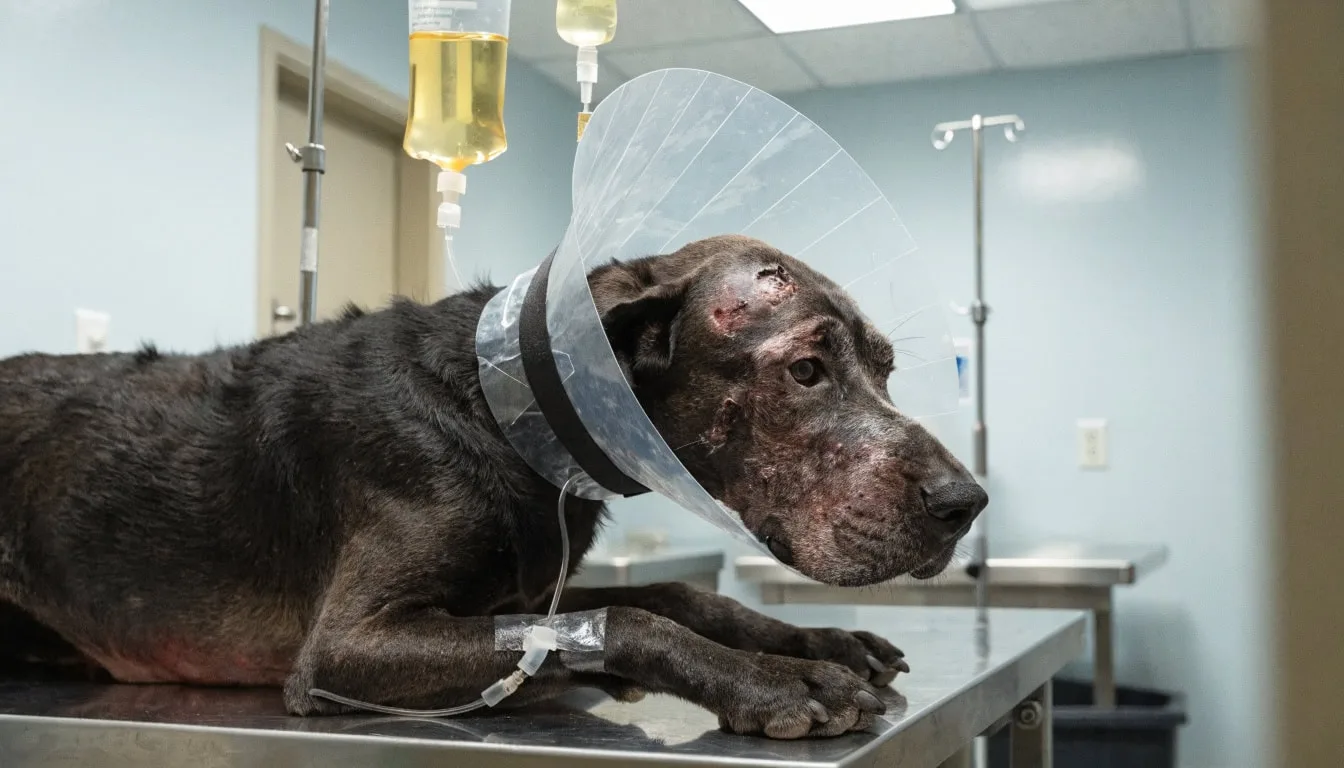
Michigan dog bite victims can recover comprehensive damages addressing both economic losses and intangible harms.
Economic Damages:
Medical expenses represent a major component of dog bite claims, covering emergency room treatment for initial wound care and rabies risk assessment. Surgeries and procedures to repair damaged tissues, tendons, and nerves prove necessary in moderate to severe attacks. Hospitalization for serious bites requiring inpatient care adds substantial costs.
Medications and antibiotics to prevent and treat infections continue for weeks after attacks. Wound care and dressings during healing require regular changes and monitoring. Physical therapy helps restore function to injured limbs and damaged muscles.
Plastic surgery for scar revision attempts to minimize permanent visible scarring, often requiring multiple procedures over years. Psychological counseling for PTSD and anxiety provides treatment for mental trauma that may last far longer than physical healing. Future medical care for permanent injuries must be projected and included in settlement calculations to ensure lifetime needs are addressed.
Lost wages compensate income lost during recovery time when injuries prevent working entirely or require reduced schedules. Medical appointments for follow-up care, therapy, and specialist consultations require time away from work that generates lost income. Psychological trauma affecting work ability may prevent concentration, interaction with coworkers, or full job performance even after physical healing completes.
Lost earning capacity addresses permanent injuries reducing future earning ability when scars affect job opportunities or permanent limitations prevent performing previous work duties.
Non-Economic Damages:
Pain and suffering compensates physical pain from injuries during the attack and acute healing phase. Discomfort during recovery from surgical procedures and rehabilitation extends suffering for months. Ongoing chronic pain from nerve damage or arthritis developing at bite sites creates permanent suffering reducing quality of life indefinitely.
Scarring and disfigurement damages recognize that permanent visible scarring affects lives beyond just medical costs. Impact on self-esteem and confidence alters how victims see themselves and interact socially. Social embarrassment about visible scars changes behavior and limits activities victims once enjoyed.
Reduced quality of life from constant reminders of trauma and others’ reactions to disfigurement justifies substantial compensation.
Emotional distress addresses PTSD and anxiety that may persist for years after attacks end. Fear of dogs generalizing beyond the specific attacking animal limits where victims feel safe. Depression from trauma, disfigurement, and life changes combines with physical and psychological injuries.
Loss of enjoyment of life when fear prevents activities like walking in neighborhoods or visiting friends with pets demonstrates how attacks ripple through all aspects of victims’ lives.
Typical Settlement Ranges:
Dog bite settlements vary dramatically based on the severity and permanence of injuries. Minor bites causing temporary pain but no permanent scarring typically settle between $5,000-$30,000, reflecting emergency treatment and short recovery periods. Moderate injuries requiring stitches and causing limited scarring generally result in settlements of $30,000-$100,000 as visible scars and longer treatment add value.
Serious injuries involving extensive scarring or nerve damage push settlements into the $100,000-$500,000 range as permanent impairments become clear. Severe and disfiguring injuries, particularly facial scarring that permanently affects appearance, PTSD requiring ongoing treatment and possibly lifelong management, and major reconstructive surgeries attempting to restore function and appearance, can command settlements of $500,000-$2,000,000 or more when permanent disability significantly affects victims’ lives. Fatal dog attacks, though rare, result in wrongful death settlements typically ranging from $1,000,000-$5,000,000 or higher depending on the victim’s age and economic contributions to surviving family members.
Multiple factors influence the final settlement value beyond just medical bills. Injury severity and permanence drive base valuations since temporary injuries resolve while permanent damage continues indefinitely. Scarring visibility and location matter tremendously.
Facial and hand scars that can’t be hidden dramatically increase compensation compared to scars covered by clothing. Victim age proves significant because children with facial scars face a lifetime of psychological impact and self-consciousness during formative years, increasing damages substantially compared to elderly victims with shorter life expectancies. Psychological impact including PTSD and anxiety disorders adds to compensation when expert testimony documents mental health treatment needs.
Total medical expenses provide objective damage floors that settlements must exceed to address non-economic losses. Owner’s available insurance coverage may cap practical recovery when policy limits exhaust, though additional recovery from personal assets remains possible through judgment enforcement.
Homeowner’s Insurance Coverage for Dog Bites
Most dog bite compensation comes from homeowner’s insurance policies rather than dog owners’ personal assets, making coverage availability and limits critically important.
Typical Coverage:
Homeowner’s policies generally include liability coverage for dog bites occurring on insured properties or involving insured individuals. Standard limits typically range from $100,000-$300,000 for liability coverage, providing basic protection for moderate injuries. Higher limits of $500,000-$1,000,000 or more offer greater protection for homeowners concerned about liability exposure from dog ownership or other risks.
Umbrella policies provide additional coverage layers of $1,000,000-$5,000,000 or more above underlying homeowner’s policies, creating substantial total coverage when catastrophic injuries or wrongful death occurs.
Coverage requirements generally demand that bites must occur on owner’s property or while the owner has custody and control of the dog even off property. The owner must be the policyholder whose coverage applies to liability claims. The policy must have been in effect at the time of the attack, not lapsed for non-payment or other reasons.
Breed Restrictions and Exclusions:
Many insurance companies impose breed-specific restrictions that can leave dog bite victims without compensation options when owners’ policies exclude coverage. Some insurers specifically exclude coverage for attacks by certain breeds they consider high-risk based on insurance industry data and litigation history, commonly including pit bulls, Rottweilers, German Shepherds, Dobermans, and Huskies. These companies may refuse to provide homeowner’s insurance coverage to homes with excluded breeds at all, forcing owners to choose between their pets and obtaining insurance.
Insurers may cancel existing policies after discovering through claims or inspections that homeowners have acquired excluded breeds without disclosure. Other insurers will provide coverage but charge significantly higher premiums for homeowners with certain dog breeds they perceive as dangerous, passing litigation risk costs directly to policyholders.
When owners have excluded breeds, they may have no insurance coverage whatsoever for attacks, leaving victims to pursue only the owner’s personal assets which are often insufficient. Many such owners have limited financial resources, making significant judgment recovery practically impossible despite clear legal liability. Before accepting settlements, verify the owner’s insurance coverage and policy limits to understand maximum available recovery.
Confirm whether breed exclusions apply that might eliminate coverage entirely. Check for umbrella policy existence providing additional coverage layers beyond base homeowner’s policies. Assess the owner’s personal assets if uninsured or underinsured, considering home equity, investment accounts, and other resources that might satisfy judgments.
Filing Claims:
The process for filing dog bite claims begins with reporting the bite to the owner’s homeowner’s insurance company as soon as possible after attacks. Provide complete medical records and bills documenting all treatment received and costs incurred. Document injuries with photographs taken immediately after attacks and throughout healing to show progression.
Submit a demand letter with all damages including medical expenses, lost wages, and non-economic damages for pain, scarring, and emotional distress. Negotiate settlement offers or file lawsuits when insurance companies refuse fair compensation. Attorneys handle insurance negotiations skillfully, ensuring you receive fair compensation rather than accepting initial lowball offers designed to close files cheaply before you understand full injury extent and permanent impacts.
The Dunbar Dog Bite Scale and Injury Severity
| Level | Description | Typical Injuries | Legal Significance |
|---|---|---|---|
| Level 1 | Aggressive behavior, no skin contact | Dog snaps/bites at air; warning behavior | Minimal damages, typically no claim |
| Level 2 | Teeth touch skin, no puncture | Minor bruising; controlled bite | Minor claim for medical evaluation |
| Level 3 | 1-4 punctures, shallow (< ½ canine depth) | Minor lacerations; stitches typically required | Moderate settlements; most common treatment level |
| Level 4 | 1-4 punctures, deep (> ½ canine depth) | Deep wounds, bruising from sustained bite; nerve/tendon damage possible | Serious injuries; substantial settlements typically |
| Level 5 | Multiple bites or sustained attack | Severe injuries from repeated biting; dog intended serious harm | Very serious; high settlement values |
| Level 6 | Victim killed | Fatal injuries | Wrongful death; million-dollar+ settlements |
Dr. Ian Dunbar’s bite scale classifies bite severity on a six-level system widely recognized in veterinary medicine, animal behavior studies, and legal proceedings. Higher Dunbar levels correlate directly with higher damages as injury severity objectively increases.
Level 4 and above typically generate substantial settlements as deep punctures, sustained attacks, and severe trauma create permanent injuries and psychological damage. The scale helps quantify injury severity objectively rather than relying solely on subjective victim complaints. Expert testimony in litigation frequently references the Dunbar scale to establish injury severity and justify damages calculations.
Defenses to Dog Bite Claims
Owners and insurers raise predictable defenses attempting to avoid or reduce liability despite Michigan’s strict liability statute.
“You Provoked the Dog”:
The most common defense claims the victim teased or tormented the dog through sustained harassment leading to defensive biting. Owners allege victims hit or kicked their dogs, justifying bites as self-defense. They claim victims made threatening gestures or approached in aggressive ways that reasonable dogs would interpret as attacks.
Some argue victims invaded the dog’s space by cornering it or approaching too quickly when the dog felt threatened.
Countering provocation defenses requires witness testimony from people who saw the attack and can verify the victim did nothing to provoke aggression. Victim accounts detailing exactly what happened immediately before attacks establish unprovoked nature. Expert testimony from animal behaviorists explaining that attacks were unprovoked based on victim actions and dog behavior patterns strengthens cases.
Evidence of the dog’s aggressive history including prior attacks, complaints, or observed aggression demonstrates the dog was dangerous regardless of provocation.
“You Were Trespassing”:
Owners claim victims had no legal right on their property when bites occurred, attempting to defeat strict liability by showing victims don’t meet statutory location requirements.
Countering trespassing defenses: Provide evidence you were invited onto property either expressly through conversations or implicitly through circumstances. Show you were performing lawful duties as a mail carrier, utility worker, or service provider with implied permission to enter property. Demonstrate you were actually on public property like sidewalks or streets when attacks occurred, not on private property at all.
“The Dog Didn’t Bite You” / “Another Dog Bit You”:
Some owners dispute their specific dog caused your injuries, claiming other dogs in the area or unidentified strays are responsible.
Countering causation defenses: Present witness testimony confirming they saw the specific dog bite you. Provide photographic evidence showing the attacking dog and your injuries immediately after attacks. Obtain DNA evidence from saliva and tissue in wounds matched to the alleged dog.
Cite medical records documenting attack timing, location, and circumstances contemporaneous to the attack.
“You Weren’t Injured That Badly”:
Insurance adjusters routinely attempt minimizing injury severity to reduce damages owed, claiming visible injuries are superficial or will heal without permanent effects.
Countering severity disputes: Provide comprehensive medical documentation from all treating physicians detailing injuries, treatment, and prognosis. Present photographs showing injuries immediately after attacks and throughout healing demonstrating severity. Obtain expert testimony from plastic surgeons about permanent scarring and limitations of scar revision.
Provide psychological evaluations documenting PTSD, anxiety, and ongoing mental health treatment needs.
Get Help from Experienced Michigan Personal Injury Lawyers
Michigan dog bite cases benefit from strict liability law strongly favoring victims, but insurance companies still fight aggressively to minimize compensation. Understanding the law thoroughly, properly documenting all physical and psychological injuries, and having experienced legal representation dramatically improves recovery.
The Joseph Dedvukaj Firm represents Michigan dog bite victims throughout the state, from Detroit metro to Grand Rapids to rural communities where dog attacks occur with disturbing frequency.
We handle all aspects of dog bite claims, from investigating attack circumstances to negotiating with insurance companies to litigating in court when fair settlements aren’t offered.
Attorney Joseph Dedvukaj’s AV Preeminent rating and National Trial Lawyers: Top 100 membership demonstrate exceptional legal skill recognized by fellow attorneys and judges. Our firm’s track record includes over $350 million recovered for Michigan injury victims across all case types, with substantial recoveries in dog bite cases where we’ve secured six-figure settlements for catastrophically injured clients.
When you choose The Joseph Dedvukaj Firm, you receive a free case evaluation explaining your rights under Michigan’s strict liability law and whether your specific circumstances support strong claims. Our thorough investigation documents attack circumstances including witness interviews and photographic evidence preservation. We provide medical treatment guidance ensuring proper injury documentation from initial emergency treatment through final outcomes.
Our skilled insurance claim handling fights for full compensation from homeowner’s policies rather than accepting quick lowball settlements. We ensure psychological trauma documentation maximizes non-economic damages by working with mental health experts who understand litigation needs. We maintain trial readiness that convinces insurance companies we’ll go to court when they refuse fair compensation.
You pay no upfront costs. We work on a contingency fee basis where our fees come only from settlements or verdicts we secure.
Don’t accept inadequate insurance settlements that pay only medical bills while ignoring scarring, psychological trauma, and the full extent of damages you deserve under Michigan law. Contact The Joseph Dedvukaj Firm today for a free consultation with no obligation. Call 1-866-HIRE-JOE or visit our website.
We serve Michigan dog bite victims from our Bloomfield Hills office, representing injured people throughout the state.
Time is critical. Michigan’s three-year statute of limitations applies to dog bite claims, creating absolute deadlines that bar recovery if missed. Early legal consultation ensures proper evidence preservation including photographs and witness statements, comprehensive medical documentation establishing injury severity and permanence, and aggressive pursuit of maximum compensation while claims remain strong.
Your dog bite injuries deserve full compensation under Michigan’s victim-friendly strict liability law. Let experienced premises liability attorneys fight for your rights and maximize your recovery while you focus on physical healing and emotional recovery from traumatic attacks.