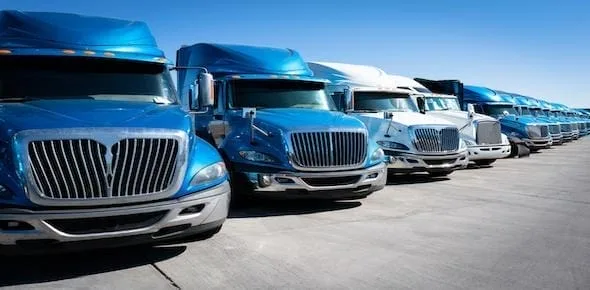
When a commercial truck causes a devastating crash on a Michigan highway, the injured person often assumes the truck driver is the only one responsible. In many cases, however, the trucking company that employs or contracts with the driver bears significant legal liability. Understanding how trucking company liability works in Michigan can make the difference between a modest insurance settlement and the full compensation you deserve.
How Trucking Company Liability Works in Michigan
Michigan follows the legal doctrine of respondeat superior, which holds employers responsible for the negligent actions of their employees when those actions occur within the scope of employment. Because truck drivers are typically acting within the scope of their duties while hauling freight, the motor carrier that hired them can be held liable for accidents caused by driver negligence.
This means that if a truck driver runs a red light, fails to check mirrors, or drives while fatigued, the trucking company may share responsibility for the resulting injuries and property damage. The Federal Motor Carrier Safety Administration (FMCSA) reinforces this principle by imposing strict regulatory obligations on carriers operating commercial vehicles.
Beyond respondeat superior, trucking companies can face direct liability for their own independent acts of negligence. These claims do not depend on the driver’s employment status and can apply even when the driver is classified as an independent contractor.
Negligent Hiring: Did the Company Screen Its Drivers?
One of the most common theories of trucking company liability involves negligent hiring. Under Michigan law, a motor carrier has a duty to exercise reasonable care when selecting drivers to operate massive commercial vehicles on public roads. To establish a negligent hiring claim, the following elements generally must be proven.
- An employment relationship existed between the truck driver and the motor carrier
- The driver was incompetent or unfit to perform the duties required
- The trucking company failed to properly screen, investigate, or evaluate the driver before hiring
- The driver’s negligent act or omission caused the plaintiff’s injuries
- The company’s failure in hiring was a proximate cause of the victim’s harm
Federal regulations under 49 CFR Part 391 require carriers to verify a driver’s qualifications, including their driving history, medical fitness, and commercial driver’s license (CDL) status. If a trucking company skips background checks or ignores a driver’s history of violations, that failure can become powerful evidence in a personal injury claim.
Negligent Retention: Keeping a Dangerous Driver on the Road
Even if a carrier properly hired a driver, the company can still face liability if it retains an employee it knows or should know is unfit to drive. A negligent retention claim focuses on what the company learned about the driver after hiring and whether it took appropriate action.
Under FMCSA regulations (49 CFR 391.25), motor carriers must conduct an annual review of each driver’s motor vehicle record. If that review reveals DUI convictions, license suspensions, moving violations, or other disqualifying events, the carrier has a duty to remove that driver from service. Continuing to allow a dangerous driver behind the wheel of an 80,000 pound truck creates enormous risk and significant legal exposure.
Sections 383.31 and 383.51 of the federal regulations specifically govern driver disqualifications and the responsibilities of motor carriers who employ or continue to employ disqualified drivers. Violations of these provisions can serve as strong evidence of negligence.
Negligent Entrustment: Handing the Keys to an Unqualified Driver
Negligent entrustment is a closely related theory that focuses on the act of allowing an incompetent person to operate a dangerous instrument, in this case a commercial truck. To prove negligent entrustment, your attorney would typically investigate several key areas.
- How the trucking company screened the driver’s application and qualifications
- What hiring criteria the company used to determine whether the applicant was properly qualified
- Whether the company verified the applicant’s references, training records, and driving history
- Whether the driver held a valid CDL with appropriate endorsements for the cargo being transported
If the investigation reveals that the trucking company cut corners in any of these areas, it strengthens the argument that the company should not have entrusted its vehicle to that particular driver.
Negligent Maintenance and Other Company Failures
Trucking companies also have a legal obligation to maintain their vehicles in safe operating condition. Under 49 CFR Part 396, carriers must implement systematic inspection, repair, and maintenance programs for every commercial vehicle in their fleet. When a company fails to maintain brakes, tires, lights, or steering systems, and that failure contributes to a crash, the company can be held directly liable.
Other forms of trucking company negligence include pressuring drivers to exceed Hours of Service limits, overloading trailers beyond weight restrictions, failing to properly secure cargo, and inadequate driver training. Each of these failures creates a separate basis for holding the company accountable.
Why Trucking Company Claims Are More Complex Than Typical Car Accidents
Truck accident cases differ from standard car accident claims in several important ways. Trucking companies carry large insurance policies, often with $1 million or more in coverage. They also employ teams of adjusters, investigators, and defense attorneys who begin building their case within hours of a crash.
Evidence in trucking cases can disappear quickly. Electronic logging device (ELD) data, dashcam footage, driver qualification files, and maintenance records must be preserved through a formal litigation hold. An experienced truck accident attorney understands how to send preservation letters and subpoena critical documents before they are lost or destroyed.
Michigan’s modified comparative fault system also plays a role. If the trucking company or its insurer argues that you share some fault for the accident, your compensation could be reduced proportionally. Having legal representation ensures that fault is properly allocated based on the evidence.
What Compensation Can You Recover?
Victims of semi-truck accidents in Michigan may be entitled to recover compensation for a wide range of damages, including medical expenses, lost wages, pain and suffering, emotional distress, and loss of quality of life. In cases involving egregious company conduct, such as knowingly employing a disqualified driver, punitive damages may also be available.
Michigan’s no-fault insurance system covers initial medical expenses and wage loss benefits through your own auto policy. However, a third-party liability claim against the trucking company allows you to pursue additional compensation for pain and suffering and other non-economic damages that no-fault benefits do not cover.
Protect Your Rights After a Michigan Truck Accident
If you or a loved one has been injured in a collision involving a commercial truck in Michigan, do not assume that the driver is the only party who may be held responsible. The trucking company, the vehicle owner, the cargo loader, and other parties may all share liability for your injuries.
The Joseph Dedvukaj Firm has decades of experience investigating trucking company negligence and fighting for full compensation on behalf of accident victims. We handle truck accident injury cases on a contingency fee basis, which means you pay nothing unless we recover compensation for you.
Call 866-HIRE-JOE or contact us online to schedule a free, confidential consultation with a Michigan truck accident lawyer today.