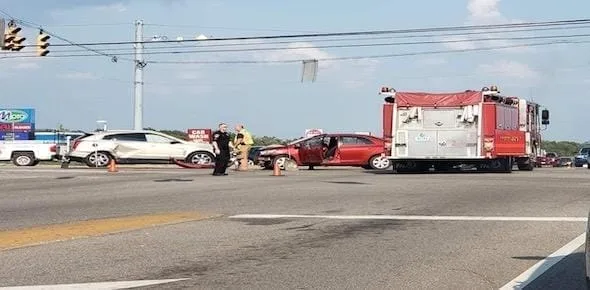
Intersection accidents are among the most common and most dangerous types of collisions on Michigan roads. According to state crash data, roughly one-third of all fatal motor vehicle accidents in Michigan occur at intersections. Whether it is a busy urban crossing in Detroit or a rural two-lane stop in northern Michigan, understanding how liability works in these crashes can make a significant difference in your ability to recover fair compensation.
Why Intersection Accidents Are So Dangerous in Michigan
Intersections force vehicles traveling in different directions to share the same space at the same time. That fundamental design creates a high potential for conflict, especially when drivers are distracted, fatigued, or unfamiliar with local traffic patterns. Michigan traffic fatalities have increased more than 11% over the past five years, even as the total number of crashes dropped, which means the crashes that do happen are becoming more severe.
Common intersection accident scenarios include T-bone collisions when a driver runs a red light, rear-end crashes at stop signs, left-turn accidents where a driver misjudges oncoming speed, and pedestrian or cyclist strikes in crosswalks. Each scenario carries its own set of injuries, from whiplash and broken bones to traumatic brain injuries and spinal cord damage.
The sheer variety of ways these collisions happen is part of what makes liability so complex. Unlike a straightforward rear-end crash on a highway, intersection accidents often involve disputed facts about who had the right of way, whether a traffic signal was functioning properly, and how fast each vehicle was traveling.
Michigan Right-of-Way Laws at Intersections
Michigan law sets clear rules about who must yield the right of way at intersections. Under MCL 257.649, drivers approaching an intersection must yield to vehicles already lawfully within the intersection. Drivers making a left turn must yield to oncoming traffic that is close enough to constitute an immediate hazard. At uncontrolled intersections, the driver on the left must yield to the driver approaching from the right.
Additional yield requirements apply in specific situations. Drivers entering a roadway from a driveway or private road must yield to all traffic on the main road. When pedestrians or cyclists are in a crosswalk, drivers must stop and remain stopped until the person has cleared the lane. Violating any of these rules can establish negligence in a personal injury claim.
Michigan also requires drivers to obey all traffic control devices. Running a red light or ignoring a stop sign is a traffic violation that can serve as strong evidence of fault. If a traffic signal was malfunctioning at the time of your accident, the municipality or entity responsible for maintaining the signal may share liability.
How Fault Is Determined After an Intersection Crash
Michigan follows a modified comparative negligence system. This means that if you are partially at fault for the accident, your compensation will be reduced by your percentage of fault. If your share of fault exceeds 50%, you may still recover economic damages such as medical bills and lost wages, but you could be barred from receiving non-economic damages like pain and suffering.
Proving fault in an intersection accident typically requires gathering several types of evidence. Police reports, traffic camera footage, and witness statements all play important roles. Accident reconstruction experts can analyze skid marks, vehicle damage patterns, and the physics of the collision to determine each driver’s speed and trajectory at the moment of impact.
Electronic evidence is becoming increasingly valuable. Many modern vehicles have event data recorders that capture speed, braking, and steering inputs in the seconds before a crash. Cell phone records can establish whether a driver was texting or talking at the time of the collision. Surveillance cameras from nearby businesses may have captured the entire sequence of events.
Common Injuries from Intersection Collisions
The types of injuries sustained in intersection accidents tend to be severe because of the angles at which vehicles collide. Side-impact collisions, also known as T-bone crashes, are particularly dangerous because the side of a vehicle offers less structural protection than the front or rear.
Victims of intersection accidents frequently suffer from the following injuries:
- Traumatic brain injuries and concussions
- Neck and spinal cord injuries, including herniated discs
- Broken ribs, arms, legs, and pelvic fractures
- Internal organ damage from blunt force trauma
- Lacerations and burns from airbag deployment or shattered glass
- Knee and shoulder injuries requiring surgery
- Post-traumatic stress disorder and anxiety
Many of these injuries require extensive medical treatment, including surgery, physical therapy, and long-term rehabilitation. The cost of treatment can quickly reach tens or even hundreds of thousands of dollars, which is why pursuing full and fair compensation is so important.
Michigan No-Fault Insurance and Intersection Accidents
Michigan operates under a no-fault insurance system, which means your own auto insurance policy is the first source of coverage for medical expenses and lost wages after an accident, regardless of who caused the crash. Under Michigan’s no-fault law (MCL 500.3101 et seq.), Personal Injury Protection (PIP) benefits cover allowable expenses related to your injuries.
However, no-fault benefits alone may not fully compensate you for your losses. To pursue a third-party negligence claim against the at-fault driver, you must demonstrate that your injuries meet Michigan’s serious impairment threshold. This requires showing that you suffered a serious impairment of body function, permanent serious disfigurement, or death.
Meeting the serious impairment threshold is a fact-specific inquiry. Courts look at the nature and extent of the impairment, the course of treatment, the duration of the impairment, and how the impairment affects your ability to lead a normal life. Having thorough medical documentation and a clear treatment history strengthens your case significantly.
Steps to Take After an Intersection Accident
What you do in the hours and days after an intersection accident can directly affect the strength of your legal claim. Taking the right steps helps preserve evidence and protects your rights under Michigan law.
- Call 911 and report the accident. A police report creates an official record of the crash and the responding officer’s observations.
- Seek medical attention immediately, even if you feel fine. Some injuries, such as concussions and internal bleeding, may not produce symptoms right away.
- Document the scene by taking photos of vehicle damage, skid marks, traffic signals, road conditions, and any visible injuries.
- Collect contact and insurance information from all drivers involved, as well as names and phone numbers of any witnesses.
- Notify your own auto insurance company about the accident promptly.
- Avoid giving recorded statements to the other driver’s insurance company without first consulting an attorney.
The statute of limitations for filing a personal injury lawsuit in Michigan is generally three years from the date of the accident. For no-fault PIP claims, you typically have one year from the date of the expense to seek reimbursement. Missing these deadlines can permanently bar your right to compensation.
How a Michigan Personal Injury Attorney Can Help
Intersection accident cases often involve disputes over who had the right of way, conflicting witness accounts, and aggressive insurance company tactics designed to minimize your settlement. An experienced Michigan personal injury lawyer can investigate the accident, gather critical evidence, negotiate with insurance adjusters, and take your case to trial if a fair settlement cannot be reached.
At The Joseph Dedvukaj Firm, we understand the physical, emotional, and financial toll that a serious intersection accident takes on victims and their families. We handle cases involving auto accidents, trucking accidents, and wrongful death claims throughout Michigan.
If you or a loved one has been injured in an intersection accident, do not wait to get legal help. Contact us today for a free consultation, or call 866-HIRE-JOE to discuss your case with a knowledgeable attorney who will fight for the compensation you deserve.