
Your mother suffered a brain bleed (brain hemorrhage) after a serious car accident, and the neurosurgeon explained she has a long road to recovery ahead. The medical team mentions recovery “stages” and talks about rehabilitation, but you’re overwhelmed with questions: Can a brain bleed heal itself? What are the brain bleed recovery stages?
What are the chances of surviving a brain bleed? Will she return to her previous level of functioning, or will there be permanent deficits? As you navigate this terrifying situation, you’re also learning that brain bleeds from trauma may create legal rights to compensation for medical care, lost wages, and the life-changing impact of brain injuries.
Brain bleeds (intracranial hemorrhages) are serious, life-threatening injuries that occur when blood vessels rupture inside the skull, creating pressure on brain tissue and causing damage. Understanding types of brain bleeds, survival statistics, recovery stages and timelines, long-term prognosis, rehabilitation needs, and legal compensation for traumatic brain bleeds helps families navigate the medical journey while protecting their rights to recover damages when negligence caused these catastrophic injuries.
Types of Brain Bleeds and Survival Rates
Brain bleeds, or intracranial hemorrhages, are classified by their location within the skull, and each type carries different risks and prognoses.
An epidural hematoma occurs when bleeding develops between the skull and the dura mater, the tough outer protective membrane covering the brain. Usually caused by skull fractures that damage arteries, epidural hematomas can develop rapidly and often require emergency surgery to remove the accumulating blood and relieve pressure. With prompt treatment, survival rates reach 85-95%, making this one of the more survivable forms of brain hemorrhage when caught early.
Subdural hematomas involve bleeding between the dura mater and the brain itself, typically from torn veins. These come in two forms, acute subdural hematomas that develop within hours or days and pose immediate life-threatening dangers, and chronic subdural hematomas that develop gradually over weeks or months and occur more commonly in elderly patients. Survival rates range from 50-90% depending on the severity of the bleed and how quickly treatment begins.
Subarachnoid hemorrhage refers to bleeding in the space surrounding the brain where cerebrospinal fluid normally cushions the brain tissue. Common causes include trauma and ruptured aneurysms. When blood mixes with cerebrospinal fluid, it can cause widespread damage across brain regions.
Survival rates hover around 40-60%, and many survivors face permanent neurological deficits.
Intracerebral hemorrhage, bleeding directly into brain tissue, often results from trauma, uncontrolled high blood pressure, or blood vessel abnormalities. This type causes direct destruction of brain tissue and can expand over time, worsening outcomes. Survival rates fall to 40-50%, with significant disability common among survivors.
Intraventricular hemorrhage involves bleeding into the brain’s ventricles, the fluid-filled spaces deep within the brain. Often occurring as an extension of other types of brain bleeds, intraventricular hemorrhage can block the normal flow of cerebrospinal fluid, causing dangerous pressure buildups. Survival rates vary but are often poor.
Multiple factors determine survival across all types of brain bleeds. The type and location of bleeding matter enormously, some locations prove more dangerous than others. The size of the hemorrhage directly correlates with outcomes, larger bleeds mean more pressure, more tissue damage, and worse prognoses.
Speed of treatment can’t be overstated, minutes matter when bleeding occurs inside the skull. Age affects recovery, with younger patients generally achieving better outcomes. Comorbidities like high blood pressure or bleeding disorders significantly worsen prognosis.
Overall survival statistics paint a sobering picture. Thirty-day survival rates average 50-70% across all types of brain bleeds, though this varies dramatically based on the specific type and circumstances. One-year survival drops to 40-60%, and five-year survival falls to 30-50%.
Even among survivors, many face permanent neurological deficits that fundamentally alter their lives.
At The Joseph Dedvukaj Firm, we’ve represented families navigating the devastating aftermath of traumatic brain bleeds caused by car accidents, falls, and other incidents involving negligence, pursuing comprehensive compensation for injuries that often require lifetime care.
Can a Brain Bleed Heal Itself?
Whether a brain bleed can heal without surgical intervention depends entirely on its severity and type, though even bleeds that resolve without surgery often leave lasting damage.
Small brain bleeds may resolve without surgery when the volume of blood remains minimal, dangerous pressure doesn’t develop, the patient remains neurologically stable, and close monitoring is possible. The body possesses natural mechanisms for reabsorbing blood over weeks to months. Immune cells gradually clear dead blood cells from the brain tissue, damaged areas may repair to some degree or form scars, and some lost function may gradually return as surrounding healthy tissue compensates.
However, even these “small” bleeds can cause permanent damage to delicate brain tissue that never fully recovers.
Moderate to large bleeds usually require active intervention to prevent death or catastrophic disability. Surgery to remove accumulated blood and relieve dangerous pressure becomes necessary. Depending on the location and extent of bleeding, neurosurgeons may drill burr holes for smaller collections or perform a full craniotomy, temporarily removing a section of skull, for more extensive bleeds.
Medications help reduce brain swelling and prevent seizures that commonly occur after brain hemorrhages. When bleeding blocks cerebrospinal fluid drainage, an external ventricular drain may be placed to prevent hydrocephalus. Without treatment, bleeding can expand, pressure inexorably increases, brain damage worsens progressively, and death becomes likely.
The fundamental challenge with brain bleeds lies in the brain’s limited regenerative capacity. Unlike skin, liver, or bone, brain tissue doesn’t regenerate meaningfully after injury. Dead brain cells don’t come back.
Functions controlled by damaged brain regions may be permanently lost. The brain does possess neuroplasticity, the ability to rewire itself to some degree, with healthy regions sometimes learning to compensate for damaged areas, but this compensation is partial at best. Intensive rehabilitation helps maximize whatever remaining function exists, but it cannot restore what was irrevocably lost when brain cells died.
Critical Point: Even if bleeding stops and blood reabsorbs, damage done during bleeding may be permanent, why early treatment is critical.
Brain Bleed Recovery Stages and Timeline
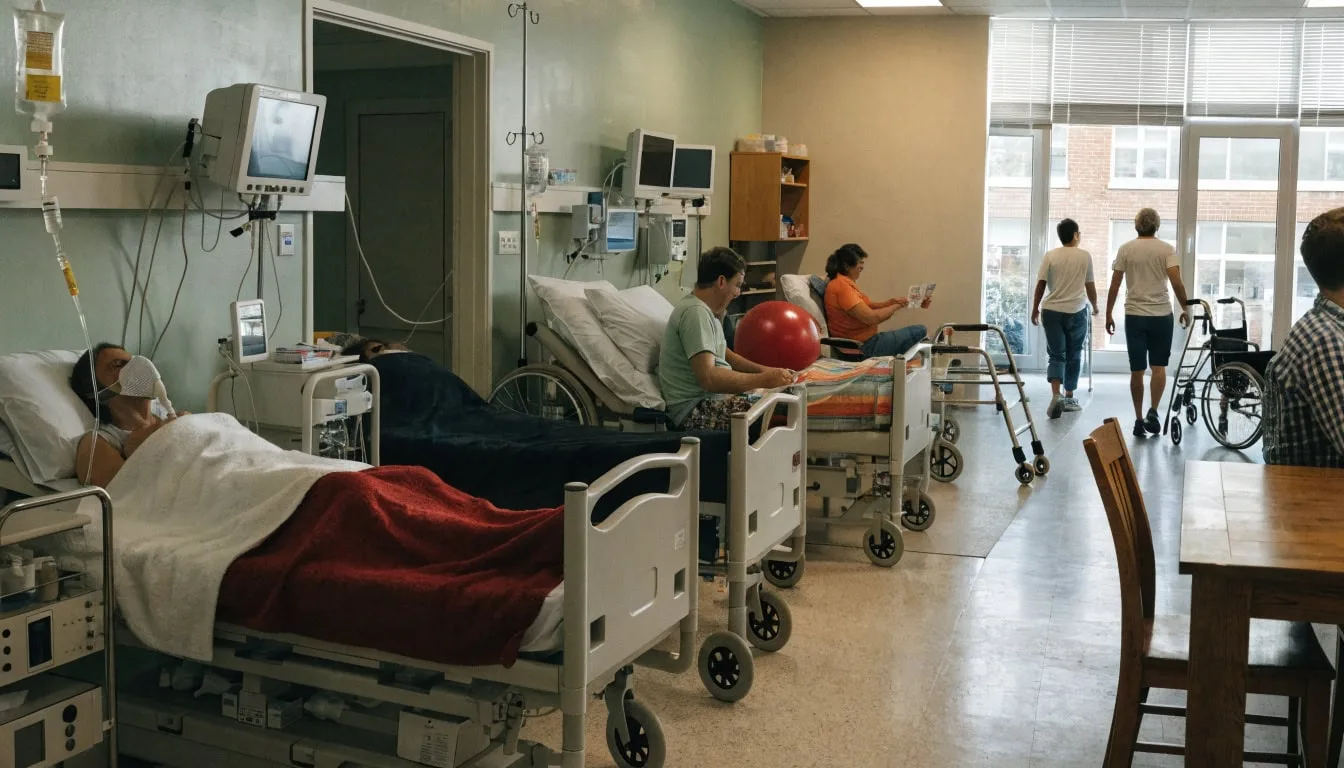
Brain bleed recovery follows predictable stages, though the timeline and ultimate outcome vary dramatically based on the severity of injury and individual factors.
The acute treatment stage spans the first week after the hemorrhage. This period focuses entirely on crisis management, emergency surgery to remove blood and relieve pressure when necessary, intensive care unit monitoring with constant vigilance for deteriorating neurological status, aggressive measures to control intracranial pressure before it causes irreversible damage, and prevention of common complications including seizures, infections, and rebleeding. Patients often remain comatose or heavily sedated during this critical window.
The sole goals are stabilizing the patient, preventing further brain damage, and preserving life.
Early recovery during weeks one through four brings initial awakening and assessment. As sedation is reduced, medical teams carefully assess what neurological function remains. Basic rehabilitation begins, though progress may be minimal.
Monitoring for delayed complications continues. Patients typically experience profound confusion and disorientation as consciousness returns. Levels of awareness fluctuate unpredictably.
The ability to follow simple commands gradually emerges. Speech remains severely impaired.
The subacute rehabilitation stage from weeks four through twelve marks the beginning of intensive therapy. Stable patients transfer from acute hospitals to specialized brain injury rehabilitation facilities where multidisciplinary teams provide coordinated care. Physical therapists work to restore movement and prevent contractures.
Occupational therapists focus on relearning basic skills for daily living, dressing, bathing, feeding. Speech therapists address both communication deficits and swallowing problems that can lead to dangerous aspiration pneumonia. Cognitive therapists tackle thinking and memory impairments.
Progress varies wildly, some patients make rapid, encouraging gains while others plateau early, their recovery stalling far short of independence. Setbacks prove frustratingly common.
Continued recovery from months three through twelve brings ongoing improvement, though at a slower pace. Outpatient rehabilitation continues with gradually decreasing intensity as patients return home. Further functional gains remain possible, particularly in the first six months when neuroplasticity peaks.
Some patients begin returning to previous activities, whether in modified or full capacity. Others must adjust to significant permanent limitations. The greatest recovery typically occurs during this first year.
Long-term adjustment begins after the first year. By 12-24 months post-injury, most major recovery has occurred. Minor improvements may continue, but families must accept a “new normal” that may look nothing like life before the brain bleed.
Focus shifts from restoration to adaptation, maximizing quality of life despite permanent deficits. Lifetime monitoring becomes necessary for seizure risk that can emerge years later, cognitive changes that may progress, psychological impacts including depression and personality changes, and late complications.
Recovery timelines vary based on injury severity, age (younger patients generally recover better thanks to greater neuroplasticity), pre-existing health status, quality and intensity of rehabilitation received, strength of social support networks, and the patient’s own motivation and engagement in therapy. Some fortunate individuals recover completely or nearly so. Others face severe permanent disability requiring lifetime care.
Long-Term Prognosis and Complications
Brain bleeds create lasting effects that extend far beyond the initial medical crisis, fundamentally altering survivors’ lives and imposing burdens on families who must adapt to these changes.
Physical impairments prove among the most visible long-term consequences. Weakness or paralysis, often affecting one entire side of the body in patterns called hemiplegia or hemiparesis, may persist permanently. Coordination problems create difficulty with balance and fine motor skills, making simple tasks like buttoning shirts or walking up stairs challenging or impossible.
Vision problems including partial blindness, double vision, or visual neglect, where patients ignore one entire side of their visual field, complicate navigation and independence. Seizures develop in 10-30% of brain bleed survivors, requiring lifelong medication and creating restrictions on driving and certain activities. Chronic headaches, sometimes severe, become unwelcome companions.
Perhaps most debilitating, profound fatigue limits activities that pre-injury health made routine.
Cognitive deficits often prove more challenging than physical limitations because they’re less visible yet equally devastating. Memory impairment makes forming new memories and retrieving stored information difficult, forcing survivors to rely on detailed notes and reminders for tasks they once performed automatically. Attention deficits leave patients easily distracted and unable to concentrate on conversations, television shows, or work tasks.
Executive dysfunction disrupts planning, organization, and problem-solving, the higher-order thinking skills that allow independent living. Processing speed slows dramatically, making thinking and responses lag noticeably behind pre-injury capabilities. Language problems called aphasia can affect speaking, understanding, reading, and writing, isolating survivors from communication that once came effortlessly.
Emotional and behavioral changes represent perhaps the most distressing complications for families because the person’s fundamental personality may shift. Depression afflicts 30-50% of brain bleed survivors, far exceeding rates in the general population. Anxiety, fear, worry, and panic attacks become common.
Emotional lability causes uncontrollable laughing or crying inappropriate to the situation, embarrassing patients and confusing those around them. Apathy saps motivation and interest in activities that once brought joy. Irritability and anger with low frustration tolerance strain relationships.
Impulsivity leads to poor judgment and risk-taking that worries family members who must now supervise a previously independent adult.
These changes profoundly impact daily life. Survivors may need assistance with activities of daily living including bathing, dressing, and eating, fundamental tasks that define independence. Many cannot work due to cognitive or physical deficits, eliminating income and work identity simultaneously.
Driving restrictions prevent many from safely operating vehicles, creating dependence on others for transportation. Social isolation develops as survivors withdraw from relationships and activities, whether from physical limitations, cognitive changes, or embarrassment about deficits. Financial stress compounds health problems as medical costs accumulate while income disappears.
Finally, severe brain bleeds can reduce life expectancy through increased risk of complications, higher stroke recurrence risk, and reduced overall health. The average reduction ranges from 5 to 10 or more years depending on severity, though individual outcomes vary widely based on injury extent and quality of ongoing medical management.
Rehabilitation Needs and Lifetime Care Costs
Brain bleed recovery requires extensive, expensive care that can continue for the rest of a survivor’s life. The financial burden proves staggering, often reaching millions of dollars even with insurance coverage that leaves families facing devastating out-of-pocket expenses.
The journey begins with acute care costs during the initial hospitalization. Intensive care unit monitoring runs $5,000 to $15,000 per day, and neurosurgery to remove blood and relieve pressure costs $50,000 to $200,000 or more. Average acute care totals $100,000 to $500,000 depending on the severity of the bleed and how long critical care continues.
Once medically stable, patients typically transfer to specialized brain injury rehabilitation facilities for intensive therapy. These centers charge $3,000 to $5,000 per day, with typical stays ranging from 4 to 12 weeks. Inpatient rehabilitation costs $80,000 to $400,000, providing the structured environment where therapists work intensively to help patients regain lost function.
| Care Phase | Services | Cost Range | Duration |
|---|---|---|---|
| Acute Care | ICU, neurosurgery, hospital | $100,000-$500,000 | Days to weeks |
| Inpatient Rehab | 24/7 therapy facility | $80,000-$400,000 | 4-12 weeks |
| Outpatient Rehab | PT, OT, speech, neuropsych | $50,000-$300,000+ | 6 months-2+ years |
| Long-Term Care | In-home care or facility | $50,000-$400,000+/year | Potentially lifetime |
Outpatient rehabilitation continues for months to years after discharge. Physical therapy, occupational therapy, speech therapy, and neuropsychology sessions each cost $150 to $400 per session. Patients typically attend 3 to 5 sessions weekly initially, gradually decreasing as progress plateaus.
Over 6 months to 2 or more years, outpatient rehabilitation totals $50,000 to $300,000 or more.
Severe disabilities create long-term care needs that dwarf acute costs. In-home care runs $25 to $50 or more per hour, potentially 24/7 for catastrophically injured patients, reaching hundreds of thousands annually. Nursing home placement costs $80,000 to $120,000 per year.
Assisted living facilities charge $48,000 to $72,000 annually. For catastrophic cases requiring lifetime care, these costs easily reach $1,000,000 to $10,000,000 or more.
Beyond direct care, other ongoing costs accumulate. Medications, medical equipment including wheelchairs and hospital beds, home modifications for accessibility, vehicle modifications, vocational rehabilitation, and assistive technology all add to the financial burden families bear.
Lost earning capacity compounds the economic devastation. Many brain bleed survivors cannot return to work. Consider a young victim with a 40-year remaining work life earning $60,000 annually.
Lost earnings alone total $2,400,000 before accounting for raises and benefits. The total economic impact of a severe traumatic brain bleed easily reaches $5,000,000 to $20,000,000 or more over a lifetime.
Legal Compensation for Traumatic Brain Bleeds
When negligence causes brain bleeds, victims and families have legal rights to pursue comprehensive compensation for the devastating harm inflicted.
- Car accidents involving head impacts, drunk drivers, distracted drivers, and speeders cause the majority of traumatic brain bleeds, making auto accident claims the most frequent path to compensation
- Slip and fall accidents where victims strike their heads due to property owner negligence
- Assault involving intentional violence causing head trauma, where victims can pursue both criminal charges and civil lawsuits
- Medical malpractice including surgical errors causing bleeding, failure to prevent bleeding in at-risk patients, medication errors such as excessive blood thinners, and birth injuries causing newborn brain bleeds
The damages available in brain bleed cases reflect both the measurable economic losses and the immeasurable human toll. Economic damages encompass all medical expenses both past and future, lost wages and earning capacity, rehabilitation costs, long-term care needs, and home and vehicle modifications necessary for accessibility. These concrete costs often reach millions of dollars in catastrophic cases.
Non-economic damages compensate for harms that resist precise calculation but devastate lives nonetheless, pain and suffering from the injury and its treatment, permanent disability that fundamentally alters identity and independence, loss of enjoyment of life when activities that gave meaning become impossible, emotional distress from trauma and changed circumstances, and loss of consortium representing the spouse’s separate claim for loss of companionship and intimacy.
Typical settlement ranges for traumatic brain bleeds vary dramatically based on impairment severity. Cases involving moderate impairment settle for $500,000 to $2,000,000. Severe impairment pushes settlements to $2,000,000 to $10,000,000 or more.
Catastrophic cases requiring lifetime care command $10,000,000 to $30,000,000 or higher, reflecting the enormous costs of decades of care.
Multiple factors affect case value beyond the raw medical costs. Injury severity and permanence matter most, temporary deficits warrant far less than permanent disability. The victim’s age determines how many years of lost earnings and care costs must be compensated.
Pre-injury earning capacity affects lost wage calculations. Quality of life impact becomes especially significant when young, previously active victims lose the ability to work, play with children, or engage in activities that defined their identity. Clear liability strengthens cases, while disputed fault may reduce settlements.
Finally, available insurance coverage places practical limits on recovery, though multiple policies and responsible parties can be stacked to maximize compensation.
Get Help from Experienced Michigan Personal Injury Lawyers
Traumatic brain bleeds are among the most catastrophic injuries, creating lifetime consequences for victims and families. When negligence causes these devastating injuries, comprehensive legal representation ensures victims receive compensation for the enormous medical costs, lost earnings, and life-changing impact.
The Joseph Dedvukaj Firm has extensive experience representing traumatic brain injury victims throughout Michigan.
We understand the medical complexity of brain bleeds and work with leading neurologists, rehabilitation specialists, and life care planners to document lifetime needs and maximize compensation.
Attorney Joseph Dedvukaj’s AV Preeminent rating and National Trial Lawyers: Top 100 membership demonstrate exceptional legal skill. Our firm’s track record includes over $350 million recovered for Michigan injury victims.
When you choose The Joseph Dedvukaj Firm, you receive:
- Expert medical witness coordination
- Life care planning documenting lifetime needs
- Economic analysis calculating full damages
- Compassionate representation understanding family trauma
- Trial readiness for maximum settlements
- No upfront costs, contingency fee basis
If you or a loved one suffered a traumatic brain bleed from an accident, contact The Joseph Dedvukaj Firm today for a free consultation. Call 1-866-HIRE-JOE or visit our website. We serve Michigan brain injury victims from our Bloomfield Hills office.
Time is critical, Michigan’s three-year statute of limitations applies. Early legal consultation ensures comprehensive case development and expert evaluation while you focus on medical recovery.
Your brain injury deserves comprehensive compensation. Let experienced attorneys fight for your future.