

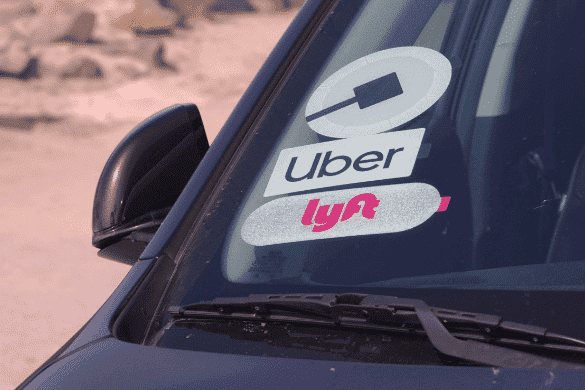

Rideshare services like Uber and Lyft have become a daily part of life for millions of Michigan residents. But when an accident occurs during a rideshare trip, the legal questions surrounding liability, insurance coverage, and compensation become significantly more complicated than in a standard car accident. Multiple insurance policies may apply, and determining which one covers your damages depends on the rideshare driver’s status at the exact moment of the crash.
Michigan’s unique no-fault insurance system adds another layer of complexity. Understanding how rideshare insurance interacts with no-fault PIP benefits—and who you can pursue for pain and suffering damages—is essential for protecting your rights after a rideshare accident.
How Rideshare Insurance Works in Michigan
Both Uber and Lyft provide commercial liability insurance for their drivers, but the level of coverage changes depending on the driver’s status within the app at the time of the accident:
Period 0: App Is Off
When the rideshare driver is not logged into the app, they are driving as a private individual. Only their personal auto insurance policy applies. Uber and Lyft provide no coverage during this period.
Period 1: App Is On, Waiting for a Ride Request
When the driver has the app on and is available to accept rides but has not yet received a request, both Uber and Lyft provide limited liability coverage:
- $50,000 per person for bodily injury
- $100,000 per accident for bodily injury
- $25,000 for property damage
This coverage applies only if the driver’s personal auto insurance denies the claim—which it often does, since many personal policies exclude commercial rideshare activity.
Period 2: Ride Accepted, En Route to Pick Up Passenger
Once the driver accepts a ride request and is en route to pick up the passenger, both Uber and Lyft provide $1 million in liability coverage, plus uninsured/underinsured motorist coverage and contingent comprehensive and collision coverage (subject to a deductible).
Period 3: Passenger in the Vehicle
From the time the passenger enters the vehicle until they are dropped off, the same $1 million liability coverage applies. This is the highest level of coverage and includes:
- $1 million in third-party liability
- $1 million in uninsured/underinsured motorist coverage
- Contingent comprehensive and collision coverage
Who Is Liable in a Michigan Rideshare Accident?
Liability depends on the circumstances of the crash and your role in the accident:
If You Were a Rideshare Passenger
As a passenger, you are almost never at fault. Your claims may be directed against:
- The rideshare driver: If the Uber or Lyft driver caused the crash through negligence (speeding, distracted driving, running a traffic signal).
- Another driver: If a third-party driver caused the accident, their liability insurance is the primary source of compensation for your pain and suffering claim.
- The rideshare company’s insurance: Uber and Lyft’s commercial policies cover passengers during Periods 2 and 3, regardless of which driver was at fault.
If You Were Hit by a Rideshare Driver
If you were driving your own car, riding a bicycle, or walking when a rideshare driver struck you, the applicable insurance depends on the driver’s app status. During Periods 2 and 3, Uber and Lyft’s $1 million liability policy covers damages you sustain. During Period 1, the more limited coverage applies.
If You Were the Rideshare Driver
If you drive for Uber or Lyft and are injured in a crash, your coverage depends on your app status and the at-fault party. You may need to navigate between your personal auto policy, the rideshare company’s policy, and the other driver’s insurance. Michigan law requires rideshare drivers to carry personal auto insurance, and many insurers now offer rideshare endorsements that fill coverage gaps.
No-Fault PIP Benefits in Rideshare Accidents
Michigan’s no-fault system ensures that accident victims receive medical and wage loss benefits regardless of fault. In rideshare accidents, the source of your PIP benefits follows a priority system:
- Passengers without their own auto insurance: The rideshare driver’s personal no-fault policy is the first priority. If that is insufficient, the vehicle owner’s policy applies. Uber and Lyft also maintain no-fault PIP coverage for their drivers’ vehicles.
- Passengers with their own auto insurance: Your own auto insurance policy is typically the primary source of PIP benefits.
- Other drivers: If you were driving your own vehicle, your own PIP coverage applies first.
- Pedestrians and cyclists: PIP benefits follow the priority order outlined in MCL 500.3114 and 500.3115.
Michigan’s Transportation Network Company Act
Michigan enacted the Transportation Network Company (TNC) Act in 2016, establishing insurance requirements specifically for rideshare companies operating in the state. Under this law:
- TNCs must ensure drivers maintain personal auto insurance that meets Michigan’s minimum requirements.
- TNCs must provide the tiered commercial insurance coverage described above during Periods 1, 2, and 3.
- TNCs must disclose to drivers that their personal auto policy may not cover accidents that occur while logged into the app.
This law provides a regulatory framework that supports accident victims in pursuing claims against rideshare companies and their insurers.
Common Challenges in Rideshare Accident Claims
- Insurance disputes over app status: Uber and Lyft may dispute whether the driver was logged in, waiting for a request, or actively on a trip at the time of the crash. App data and GPS records are critical evidence.
- Multiple insurance companies involved: Rideshare accidents often involve three or more insurance policies (the rideshare company, the driver’s personal policy, and the other driver’s policy). Coordinating claims across multiple insurers requires legal expertise.
- Independent contractor defense: Uber and Lyft classify their drivers as independent contractors, not employees. This classification can complicate efforts to hold the rideshare company directly liable, though their insurance policies still apply regardless of employment status.
- Delayed treatment: Some passengers downplay their injuries immediately after a rideshare accident, only to discover serious problems days or weeks later. Prompt medical attention is essential to link your injuries to the accident.
Steps to Take After a Rideshare Accident in Michigan
- Call 911. Report the accident and request medical assistance if anyone is injured.
- Document the scene. Take photos of all vehicles, the road, traffic signals, and any visible injuries. Get the names and contact information of all drivers and witnesses.
- Screenshot your rideshare app. Preserve your trip details, including the driver’s name, vehicle information, and the trip route. This establishes that you were an active passenger at the time of the crash.
- Report the accident through the app. Both Uber and Lyft have in-app accident reporting tools. Use them, but keep your description factual and brief.
- Seek medical attention. Get examined even if you think your injuries are minor. Adrenaline can mask pain immediately after an accident.
- Contact a car accident attorney. Rideshare accident claims involve complex insurance issues. An experienced attorney can identify all applicable coverages and ensure you receive full compensation.
Frequently Asked Questions
Can I sue Uber or Lyft directly after an accident?
Uber and Lyft classify their drivers as independent contractors, which can limit direct liability claims against the company. However, their commercial insurance policies cover accidents during active rideshare use, and in some cases, claims can be brought against the company for negligent hiring or retention practices. An attorney can evaluate the specific facts of your case.
What if the rideshare driver was at fault but has minimal personal insurance?
During Periods 2 and 3, Uber and Lyft’s $1 million commercial liability policy provides substantial coverage regardless of the driver’s personal insurance limits. During Period 1, the rideshare company’s limited coverage applies as a secondary layer above the driver’s personal policy.
Does my own car insurance cover me as a rideshare passenger?
If you have your own auto insurance with PIP coverage, your policy may be the primary source of no-fault benefits as a rideshare passenger. For liability (pain and suffering) claims, the rideshare company’s commercial insurance and the at-fault driver’s policy are the primary targets.
What if I was injured by another driver while using a rideshare?
If a third-party driver caused the accident while you were a rideshare passenger, you can pursue a claim against that driver’s liability insurance. Additionally, the rideshare company’s uninsured/underinsured motorist coverage (up to $1 million during Periods 2 and 3) provides a safety net if the at-fault driver has insufficient coverage.
How long do I have to file a rideshare accident claim in Michigan?
Michigan’s statute of limitations for personal injury claims is generally three years from the date of the accident (MCL 600.5805). For no-fault PIP benefits, you must notify your insurer within one year. However, claims involving rideshare company policies may have additional notice requirements, so it is important to act quickly.
Injured in a Rideshare Accident? Contact Us for a Free Consultation.
Rideshare accident claims require an attorney who understands the intersection of Michigan no-fault law, commercial rideshare insurance, and personal injury litigation. The Joseph Dedvukaj Firm, P.C. has the experience and resources to take on Uber, Lyft, and their insurance carriers. We have recovered over $300 million for Michigan accident victims. Call 1-866-HIRE-JOE or visit 1866hirejoe.com for a free case evaluation.