
You placed your mother in what seemed like a reputable nursing home after her stroke left her unable to care for herself. The facility had good reviews, friendly staff during the tour, and promised attentive care. But on your recent visits, you’ve noticed troubling changes.
Your mother has developed painful bedsores, seems confused about her medications, has lost significant weight, and appears frightened when certain staff members enter the room. When you asked about the bedsores, staff dismissed them as “unavoidable” and blamed your mother’s condition. You’re realizing the care isn’t what was promised, and you suspect nursing home negligence or even abuse.
You wonder: What are the warning signs? How can you protect your loved one? Can you hold the facility accountable?
Nursing home negligence occurs when facilities and staff fail to provide the standard of care elderly residents deserve and require. From inadequate staffing causing neglect to intentional physical or emotional abuse, Michigan nursing homes sometimes prioritize profits over residents’ wellbeing. Understanding the signs of neglect and abuse, facility responsibilities under Michigan law, how to report violations, and your legal options for holding negligent facilities accountable is essential for protecting vulnerable elderly loved ones and securing compensation when harm occurs.
Understanding Nursing Home Negligence vs. Abuse
Nursing home negligence and abuse are distinct but both cause serious harm to residents:
Nursing Home Negligence (Unintentional Harm):
Neglect occurs when facilities fail to meet residents’ basic needs, typically stemming from systemic problems rather than isolated incidents. Common forms include understaffing that creates impossible workloads preventing timely care delivery, inadequate training leaving caregivers unprepared for residents’ complex medical needs, failure to monitor residents properly allowing dangerous conditions to develop unnoticed, not following individualized care plans designed to meet specific residents’ needs, poor facility maintenance creating hazardous conditions, inadequate nutrition and hydration causing malnutrition and dehydration, and delayed medical treatment when residents’ conditions deteriorate.
While negligence stems from carelessness, cost-cutting to maximize profits, or incompetence rather than intentional harm, the results can be just as devastating for elderly residents who suffer preventable injuries, infections, and deaths from facilities’ failures to provide adequate care.
Nursing Home Abuse (Intentional Harm):
Abuse involves intentional acts causing harm:
Physical Abuse: Hitting, slapping, restraining, force-feeding, rough handling, or other physical violence.
Emotional/Psychological Abuse: Verbal harassment, threats, humiliation, isolation, intimidation, or emotional manipulation.
Sexual Abuse: Unwanted sexual contact, harassment, or exploitation.
Financial Exploitation: Stealing money or property, coercing financial decisions, forging signatures, or misusing resident funds.
Both negligence and abuse violate Michigan law and create civil liability for facilities and individual wrongdoers. At The Joseph Dedvukaj Firm, we represent families seeking justice when nursing home negligence or abuse harms elderly loved ones.
Common Signs of Nursing Home Neglect
Recognizing nursing home negligence early can prevent escalating harm:
Physical Indicators:
Watch for visible signs of neglect that should never occur with proper care. Bedsores (pressure ulcers) rank among the most common and preventable signs of nursing home neglect. These painful wounds develop when immobile residents aren’t repositioned regularly as required, severe stage 3 and 4 bedsores reach deep tissue and bone, causing excruciating pain, life-threatening infections, and even death.
Unexplained injuries including bruises, cuts, fractures, or burns that staff can’t or won’t explain properly suggest either abuse or dangerous neglect. Poor hygiene is obvious when your loved one appears unwashed, smells of urine or feces, wears soiled clothing, or looks generally disheveled despite supposedly receiving daily care.
Malnutrition and dehydration manifest through significant weight loss, sunken eyes, dry mouth, increased confusion, or weakness, all indicating inadequate food and water provision. Untreated medical conditions including infections, wounds, or chronic conditions like diabetes or heart disease visibly worsening signal delayed or completely absent medical attention despite facility responsibilities.
Behavioral and Emotional Changes:
Withdrawal: Becoming quiet, uncommunicative, or avoiding eye contact, especially around certain staff members.
Fear or Anxiety: Showing signs of distress when specific caregivers approach or expressing reluctance to return after outings.
Confusion Beyond Medical Condition: Sudden changes in mental clarity potentially indicating medication errors or emotional trauma.
Depression: Loss of interest in activities, hopelessness, or mentioning wanting to die.
Environmental Red Flags:
Unsanitary Conditions: Dirty rooms, soiled bedding, unpleasant odors, or pests.
Safety Hazards: Spills not cleaned, broken equipment, malfunctioning call buttons, insufficient lighting.
Understaffing: Few staff members visible, delayed responses to call buttons, rushed care, residents left unattended.
Medication Management Issues:
Medication Errors: Wrong medications, incorrect dosages, missed doses, or unexplained changes in prescriptions.
Over-Sedation: Excessive grogginess suggesting inappropriate sedation to make residents “easier to manage.”
If you notice any of these signs, immediate action is necessary to protect your loved one.
Types of Nursing Home Negligence Claims

Nursing home negligence encompasses various failures in care:
Pressure Ulcer/Bedsore Claims:
The most common negligence claims.
- Regular repositioning (every 2 hours for high-risk residents)
- Proper nutrition and hydration
- Skin inspections and moisture management
- Appropriate support surfaces (specialized mattresses)
Stages of Bedsores:
- Stage 1: Redness not resolving with pressure relief
- Stage 2: Partial skin loss, shallow ulcers
- Stage 3: Full-thickness skin loss exposing fat
- Stage 4: Full-thickness tissue loss exposing muscle/bone
- Unstageable: Depth unknown due to slough/eschar
Stage 3 and 4 bedsores demonstrate severe neglect and cause tremendous suffering.
Fall-Related Injuries:
Facilities must assess fall risks and implement prevention measures:
- Fall risk assessments
- Proper supervision
- Assistive devices (walkers, wheelchairs)
- Safe environments (clear pathways, adequate lighting)
- Timely responses to call buttons
When facilities fail and residents suffer:
- Hip fractures
- Head injuries
- Spinal injuries
- Broken bones
- Death from fall complications
Falls are the leading cause of injury-related death among elderly residents.
Medication Errors:
Proper medication management is critical:
- Correct medications and dosages
- Timely administration
- Monitoring for adverse reactions
- Proper documentation
Errors include:
- Wrong medication or dosage
- Missed doses
- Giving medications to wrong resident
- Failure to monitor side effects
- Inappropriate drug interactions
Medication errors cause serious harm including overdoses, adverse reactions, worsening conditions, or death.
Malnutrition and Dehydration:
Facilities must provide adequate nutrition and monitor:
- Dietary needs based on health conditions
- Assistance with eating for those needing help
- Hydration monitoring
- Weight tracking
Neglect signs include dramatic weight loss, dehydration symptoms, muscle wasting, and weakness.
Inadequate Medical Care:
Facilities must provide or arrange timely medical treatment:
- Monitoring chronic conditions
- Recognizing infection symptoms
- Arranging doctor visits when needed
- Following physician orders
- Emergency care when necessary
Neglect includes ignoring symptoms, delaying treatment, or failing to implement doctor-ordered care.
Wrongful Death:
When nursing home negligence causes death, families can pursue wrongful death claims
- Medical expenses before death
- Funeral and burial costs
- Loss of companionship
- Pain and suffering before death (through survival actions)
Michigan Nursing Home Laws and Standards
Michigan law imposes strict requirements on nursing homes:
State Licensing Requirements:
The Michigan Department of Licensing and Regulatory Affairs (LARA) licenses and regulates nursing homes under the Public Health Code.
- Staffing ratios
- Staff training and qualifications
- Resident care plans
- Infection control
- Facility safety
- Nutrition and dietary services
- Medical services
Federal Regulations:
Facilities receiving Medicare/Medicaid funding must comply with federal regulations including:
- Residents’ Rights: Privacy, dignity, freedom from abuse, participation in care decisions
- Quality of Care: Meeting professional standards
- Nursing Services: Sufficient staff with proper qualifications
- Dietary Services: Nutritious meals meeting dietary needs
- Physician Services: Medical supervision and timely care
- Freedom from Abuse and Neglect: Protecting residents from mistreatment
Inspection and Enforcement:
Facilities undergo:
- Annual Inspections: Unannounced surveys checking compliance
- Complaint Investigations: Following abuse/neglect reports
- Deficiency Citations: Documentation of violations
- Enforcement Actions: Fines, corrective action plans, license revocation for serious violations
Public Access: Inspection reports are publicly available through Medicare’s Care Compare website (formerly Nursing Home Compare) and Michigan LARA.
Mandatory Reporting:
Michigan law requires healthcare providers, social workers, and others to report suspected abuse or neglect to Adult Protective Services (APS) or law enforcement.
Investigating and Proving Nursing Home Negligence
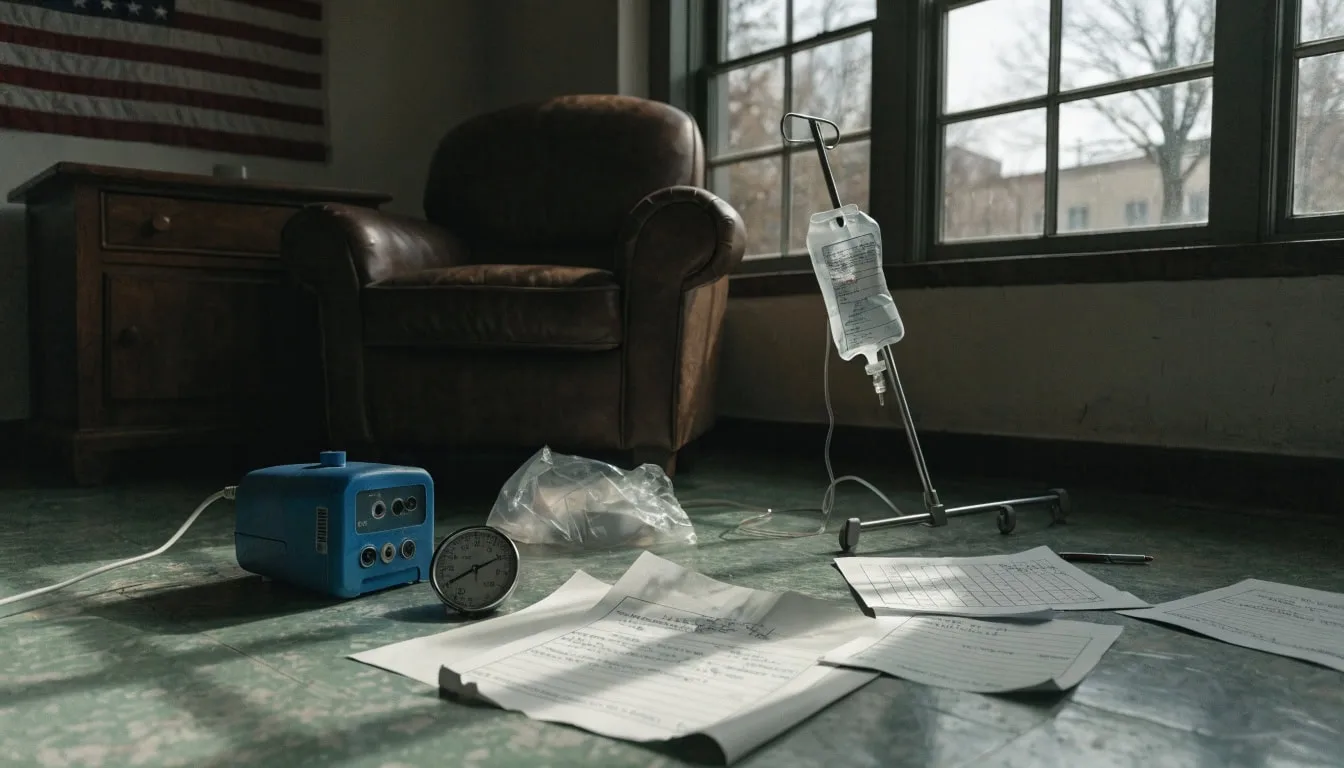
Successfully proving nursing home negligence requires comprehensive investigation:
Medical Records Review:
Resident medical records document:
- Admission assessments
- Care plans
- Daily nursing notes
- Medication administration records
- Incident reports
- Physician orders and progress notes
- Weight and vital signs tracking
Medical records reveal what care was provided versus what should have been provided, documenting neglect through:
- Gaps in documentation suggesting care wasn’t provided
- Delayed responses to symptoms
- Ignored care plan requirements
- Medication errors
- Lack of proper monitoring
Staffing Records:
Understaffing is root cause of much nursing home neglect.
- Staff-to-resident ratios
- Overtime hours indicating insufficient regular staff
- Use of temporary/agency staff unfamiliar with residents
- Staff training and qualifications
- Employee disciplinary records
Low staffing creates impossible workloads preventing adequate care.
Facility Inspection Reports:
State and federal inspection reports document:
- Violations cited
- Deficiency patterns
- Previous complaints
- Corrective action plans
- Repeat violations showing systemic problems
Expert Testimony:
Medical experts testify regarding:
- Standards of care for nursing homes
- Whether facility met standards
- Causation, specifically how negligence caused injuries
- Preventability of injuries with proper care
Geriatric specialists, wound care specialists, and nursing experts provide crucial testimony.
Witness Testimony:
- Family members describing observed conditions and changes
- Other residents witnessing neglect or abuse
- Former employees revealing understaffing or dangerous practices
- Current staff cooperative with investigations
Physical Evidence:
- Photographs of injuries, bedsores, or facility conditions
- Clothing showing soiling or poor hygiene
- Medical equipment that was broken or unavailable
Building strong cases requires gathering all available evidence documenting both the negligence and resulting harm.
Damages Available in Nursing Home Negligence Cases
Nursing home negligence victims and families can recover:
Economic Damages:
Financial compensation must cover all costs stemming from facility negligence. Medical expenses include hospitalizations for treating severe bedsores requiring wound care and debridement, serious infections requiring IV antibiotics, and injuries from falls. Additional costs include necessary surgeries and medical procedures, ongoing medications treating infection and pain, physical therapy and rehabilitation to restore function after injuries, and future medical care addressing permanent injuries or disabilities caused by neglect.
Relocation costs for moving your loved one to better facilities providing proper care can be substantial. Out-of-pocket expenses incurred by family members addressing negligence, such as hiring private caregivers, purchasing supplies the facility should have provided, or taking time off work to advocate for proper care, deserve compensation.
Non-Economic Damages:
Beyond financial losses, nursing home negligence causes immense suffering deserving substantial compensation. Pain and suffering addresses physical pain caused by excruciating Stage 3 and 4 bedsore pain that victims describe as worse than childbirth, fracture pain and recovery from preventable falls, suffering from untreated medical conditions like infections or chronic disease exacerbations, and general discomfort from inadequate care and hygiene.
Emotional distress compensates for mental anguish including fear and anxiety living in environments where staff neglect or abuse residents, depression from isolation or systematic mistreatment, loss of dignity and autonomy when facilities fail to respect residents as human beings, and trauma from experiencing or witnessing abuse. Loss of quality of life addresses how preventable injuries diminish elderly residents’ remaining years, reducing enjoyment and functioning during what should be comfortable, dignified final chapters.
Exemplary Damages:
Michigan does not allow traditional punitive damages in most personal injury cases. However, courts may award exemplary damages when defendants act with malice or willful disregard for rights. Nursing homes hiding abuse, knowingly understaffing despite risks, or engaging in intentional abuse may face exemplary damages designed to compensate victims for the particularly egregious nature of the defendant’s conduct.
Typical Settlement Ranges:
Nursing home negligence settlements vary based on injury severity:
- Minor neglect with temporary harm: $50,000-$150,000
- Serious injuries (stage 3-4 bedsores, serious fall injuries): $150,000-$500,000
- Catastrophic injuries or wrongful death: $500,000-$3,000,000+
Factors affecting value:
- Severity and permanence of injuries
- Level of pain and suffering
- Clarity of facility fault
- Resident’s age and life expectancy
- Egregiousness of conduct
Reporting Nursing Home Abuse and Taking Legal Action
If you suspect nursing home negligence or abuse:
Immediate Steps:
- Document Everything: Photograph injuries, take notes about observations, save all communications with facility
- Report to Facility Administration: Formal written complaint to nursing home management
- Move Resident if Necessary: If immediate danger exists, relocate to safer facility or hospital
- Seek Medical Evaluation: Independent doctor examination documenting injuries
Reporting to Authorities:
Adult Protective Services (APS): Call 855-444-3911 to report suspected abuse/neglect. APS investigates and can arrange protective services.
Michigan LARA: File complaints through LARA’s website or by phone. LARA investigates facilities and can impose sanctions.
Law Enforcement: For physical or sexual abuse, contact local police to file criminal reports.
Long-Term Care Ombudsman: State ombudsman advocates for nursing home residents and investigates complaints (800-803-7174).
Legal Action:
Consult elder abuse attorneys to:
- Evaluate whether you have valid negligence claims
- Preserve evidence before it’s destroyed
- File lawsuits within Michigan’s statute of limitations (two years if classified as medical malpractice, or three years for general negligence claims)
- Pursue compensation for all damages
- Hold facilities accountable
Many cases settle when facilities face strong evidence and experienced attorneys.
Get Help from Experienced Michigan Personal Injury Lawyers
Nursing home negligence and abuse devastate vulnerable elderly residents and their families. Michigan law provides avenues for holding facilities accountable, but pursuing these claims requires navigating complex regulations, medical evidence, and well-funded facility defense attorneys.
The Joseph Dedvukaj Firm has extensive experience representing families in nursing home negligence and premises liability cases. We’ve recovered substantial compensation for victims of facility neglect and their families.
Attorney Joseph Dedvukaj’s AV Preeminent rating and National Trial Lawyers: Top 100 membership reflect exceptional legal skill and ethics. Our firm’s track record includes significant recoveries in elder abuse and negligence cases.
When you choose The Joseph Dedvukaj Firm, you receive:
- Compassionate representation understanding family grief and anger
- Thorough investigation uncovering full extent of negligence
- Expert witnesses proving substandard care
- Aggressive advocacy against facility defense tactics
- Trial readiness when fair settlements aren’t offered
- No upfront costs, contingency fee basis
Don’t let nursing homes escape accountability for harming your loved one. Contact The Joseph Dedvukaj Firm today for a free, confidential consultation. Call 1-866-HIRE-JOE or visit our website.
We serve clients throughout Michigan from our Bloomfield Hills office.
Your elderly loved one deserves dignity, respect, and proper care. When facilities fail, experienced attorneys can secure compensation and justice. If negligence caused death, learn more about wrongful death claims on our website.
Time is critical. Michigan’s statute of limitations and evidence preservation make early legal consultation essential. Let our experienced attorneys protect your family’s rights and hold negligent facilities accountable.