

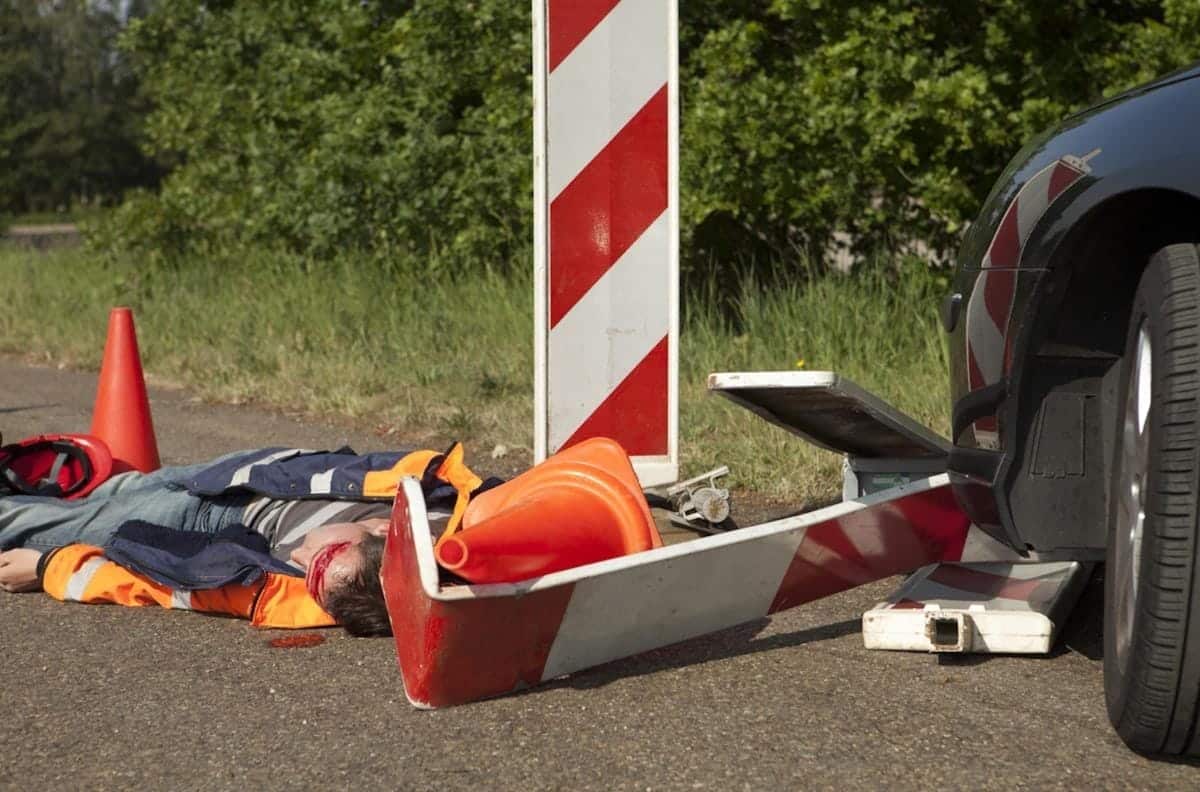

Getting injured in a car accident is stressful enough. When that accident happens while you are working, the situation becomes significantly more complicated. Michigan has overlapping systems of insurance coverage that apply to work-related car accidents, including workers’ compensation, no-fault auto insurance, and potential third-party negligence claims. Understanding how these systems interact is essential to making sure you receive every dollar of compensation you are entitled to.
Workers’ Compensation Coverage for Car Accidents on the Job
If you are injured in a car accident while performing duties within the scope of your employment, you are generally entitled to workers’ compensation benefits under Michigan law. This applies whether you were driving a company vehicle, your personal car for work purposes, making deliveries, traveling between job sites, or running a work errand. It does not matter who caused the accident. Workers’ compensation is a no-fault system, meaning you receive benefits regardless of whether you, the other driver, or no one in particular was at fault.
Workers’ compensation benefits in Michigan typically include:
- Payment of all reasonable and necessary medical expenses related to the injury
- Wage loss benefits equal to 80% of your after-tax average weekly wage, subject to a maximum cap set annually by the state
- Vocational rehabilitation services if you cannot return to your previous job duties
- Specific loss benefits for permanent injuries such as amputations or loss of use of a body part
However, workers’ compensation does not compensate you for pain and suffering, emotional distress, or diminished quality of life. These non-economic damages are only available through a separate legal claim, which is where the third-party lawsuit becomes critically important for maximizing your total recovery.
Your No-Fault Auto Insurance Benefits Still Apply
Michigan’s no-fault auto insurance system provides Personal Injury Protection (PIP) benefits to anyone injured in a motor vehicle accident, including those injured while working. PIP benefits cover medical expenses, wage loss benefits, replacement services (such as household help you can no longer perform due to your injuries), and attendant care for those who need ongoing assistance with daily activities.
When a car accident occurs on the job, workers’ compensation is considered the primary payer under Michigan law. This means the workers’ comp insurer pays first. Your no-fault auto insurance then provides supplemental coverage for expenses that workers’ compensation does not fully cover. For example, if your wage loss exceeds the workers’ comp maximum, no-fault benefits may cover a portion of the difference. Replacement services and certain attendant care benefits may also be available through your PIP coverage even when workers’ comp is paying medical bills.
The coordination between these two systems is technically complex and is one of the most common areas where injured workers lose benefits they are owed. Insurance companies on both sides frequently try to shift responsibility to the other, leaving you caught in the middle with unpaid bills and mounting frustration. Having an attorney who understands the interplay between workers’ compensation and no-fault insurance is critical to avoiding gaps in your coverage.
The Third-Party Claim: Recovering Pain and Suffering
If another driver caused your work-related car accident, you have the right to file a third-party personal injury lawsuit against that driver in addition to receiving workers’ compensation benefits. This is not an either/or situation. Michigan law specifically allows injured workers to pursue both remedies simultaneously, and doing so is often the only way to achieve full and fair compensation.
The third-party claim is where you can seek compensation for damages that workers’ compensation does not cover, including:
- Pain and suffering
- Emotional distress and mental anguish
- Loss of enjoyment of life
- Scarring and disfigurement
- Loss of consortium (impact on your relationship with your spouse)
To file a third-party claim for non-economic damages in Michigan, your injuries must meet the serious impairment of body function threshold under MCL 500.3135. This requires showing that your injuries have affected your ability to lead your normal life in a meaningful way. Courts examine the nature and extent of your impairment, the duration and course of treatment, and the specific ways the injury has limited your daily activities.
It is important to know that the workers’ compensation insurer has a lien right on your third-party settlement or verdict. Under Michigan law, the workers’ comp carrier can seek reimbursement for benefits it has paid, but special rules limit what they can recover. The workers’ comp insurer generally cannot seek reimbursement for medical payments or the first three years of wage loss benefits paid. An experienced attorney will negotiate the lien aggressively to maximize the amount you actually take home from your settlement.
Employer Liability in Work-Related Car Accidents
In most cases, workers’ compensation is the “exclusive remedy” against your employer, meaning you cannot sue your employer directly for a workplace injury. However, there are important exceptions in the context of work-related car accidents that may open the door to additional claims.
If your employer’s negligence contributed to the accident in a way that goes beyond the normal employment relationship, there may be grounds for a separate claim. Examples include an employer who knowingly required you to drive an unsafe or poorly maintained vehicle, an employer who pressured you to drive while fatigued in violation of hours-of-service regulations, or a construction site situation where inadequate traffic control or missing safety barriers led to the crash.
Additionally, if a coworker caused the accident through negligent driving, you may be able to file a third-party claim against the coworker individually, depending on the circumstances. Michigan courts have addressed various scenarios involving employee-on-employee vehicle accidents, and the legal analysis depends heavily on the specific facts of each case.
Common Scenarios Involving Work-Related Car Accidents
Work-related car accidents take many forms, and each scenario raises slightly different legal questions about coverage and liability:
- Delivery and truck drivers injured while making deliveries or hauling loads on Michigan highways
- Sales representatives hurt while driving between client meetings throughout the state
- Construction workers struck by vehicles in or near active work zones
- Rideshare and gig economy workers involved in crashes while completing trips or deliveries
- Employees running errands for their employer, such as picking up supplies, making bank deposits, or transporting documents
- Commuters in employer-provided vehicles or carpools arranged and funded by the employer
The “going and coming” rule generally means that your regular daily commute to and from your fixed workplace is not covered by workers’ compensation. However, there are several important exceptions. If you were driving an employer-owned vehicle, if your travel served a dual purpose benefiting both you and the employer, or if you were on a special mission or assignment for your employer, coverage may apply even during travel that resembles an ordinary commute.
Protecting Your Rights After a Work-Related Car Accident
The most common mistake injured workers make is assuming that workers’ compensation will take care of everything. While workers’ comp provides valuable medical and wage loss benefits, it leaves significant categories of compensation on the table. Without exploring your third-party options, you could miss out on tens or even hundreds of thousands of dollars in pain and suffering damages that you are legally entitled to receive.
After a work-related car accident in Michigan, you should take the following steps to protect your rights:
- Report the injury to your employer immediately, as delays can jeopardize your workers’ comp claim
- Seek medical treatment promptly and follow all of your doctor’s recommendations
- File a workers’ compensation claim through your employer’s insurer
- Report the accident to your own auto insurance company
- Consult with a personal injury attorney who handles both workers’ compensation and auto accident claims
At The Joseph Dedvukaj Firm, we understand how Michigan’s overlapping insurance systems work and how to maximize your total recovery from all available sources. We handle auto accident and workplace injury cases throughout Michigan, and we know how to coordinate workers’ comp, no-fault, and third-party claims to get you the best possible result. Contact us today for a free consultation, or call 866-HIRE-JOE to discuss your work-related car accident with an attorney who will protect your rights.