

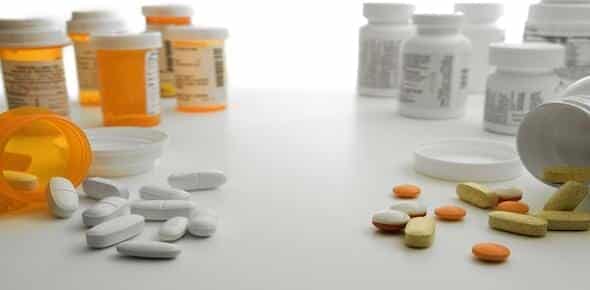

Michigan’s Drugged Driving Laws Under MCL 257.625
Michigan treats drugged driving as a serious criminal offense under MCL 257.625, the same statute that governs drunk driving. A driver who operates a vehicle with any amount of a Schedule 1 controlled substance in their body commits a crime—regardless of whether they appear impaired. For other drugs, including prescription medications, the prosecution must prove that the substance actually impaired the driver’s ability to operate the vehicle safely.
This distinction matters because Michigan applies a zero-tolerance standard for Schedule 1 substances. If a blood test shows any detectable amount of heroin, ecstasy, LSD, psilocybin, or another Schedule 1 drug, the driver is guilty of operating under the influence—even if they do not appear impaired at the time of the traffic stop or crash.
Marijuana and Drugged Driving After Michigan’s 2018 Legalization
Michigan legalized recreational marijuana in November 2018 through Proposal 1. While adults 21 and older can legally possess and use marijuana, driving under the influence of marijuana remains illegal under MCL 257.625. Legalization did not change the rules for impaired driving—it changed who can legally consume marijuana, not when or where they can drive after consuming it.
Marijuana presents unique enforcement challenges. Unlike alcohol, where a blood alcohol concentration (BAC) of 0.08% creates a per se violation, there is no equivalent THC threshold in Michigan law that automatically establishes impairment. The presence of THC in a blood test does not prove the driver was impaired at the time they were driving, because THC can remain detectable in blood for days or weeks after use, long after its impairing effects have worn off.
As a result, marijuana DUI prosecutions in Michigan often rely on:
- Officer observations of impaired driving behavior (swerving, delayed reactions, running red lights)
- Field sobriety test performance
- Drug Recognition Expert (DRE) evaluations—specially trained officers who assess physical signs of drug impairment
- Blood test results showing active THC (delta-9 THC) rather than inactive metabolites
- Statements made by the driver
For accident victims, the critical question is not whether the other driver would be convicted of drugged driving in criminal court. The standard in a civil personal injury case is lower—you need to show that the other driver was negligent, not that they were guilty beyond a reasonable doubt.
Penalties for Drugged Driving in Michigan
Criminal penalties under MCL 257.625 escalate with repeat offenses and the severity of consequences:
- First offense (OWI): Up to 93 days in jail, fines up to $500, up to 360 hours of community service, driver’s license suspension for 30 days followed by 150 days of restricted driving, and six points on the driver’s record
- Second offense (within 7 years): 5 days to 1 year in jail, fines of $200 to $1,000, 30 to 90 days of community service, license revocation for at least one year, vehicle immobilization, and possible ignition interlock
- Third offense (felony): 1 to 5 years in prison or probation with 30 days to 1 year in jail, fines of $500 to $5,000, license revocation for at least one year (minimum 5 years), and vehicle forfeiture
- Causing serious injury: A felony punishable by up to 5 years in prison and fines up to $5,000
- Causing death: A felony punishable by up to 15 years in prison and fines up to $10,000
Common Substances Involved in Drugged Driving
Drugged driving in Michigan involves a wide range of substances beyond marijuana:
- Prescription opioids: Hydrocodone, oxycodone, and fentanyl cause drowsiness, slowed reaction times, and impaired judgment. Michigan’s ongoing opioid crisis has contributed to an increase in opioid-impaired driving incidents.
- Benzodiazepines: Xanax, Valium, and Ativan—commonly prescribed for anxiety—cause sedation, impaired coordination, and slowed reflexes. Combining benzodiazepines with alcohol dramatically increases impairment.
- Methamphetamine and cocaine: Stimulants can cause aggressive driving, risk-taking behavior, and impaired judgment. As the drug wears off, fatigue and cognitive impairment set in.
- Over-the-counter medications: Antihistamines (Benadryl), sleep aids, and cold medications can cause drowsiness and impaired driving ability. While taking these medications is legal, driving while impaired by them is not.
What to Do If You Are Hit by a Drugged Driver in Michigan
If you suspect the driver who hit you was under the influence of drugs, take these steps:
1. Call 911 Immediately
Report the accident and tell the dispatcher that you suspect the other driver is impaired. This prompts law enforcement to respond with an emphasis on evaluating the driver for drug influence, including requesting a blood draw.
2. Document the Driver’s Behavior
If it is safe to do so, note the other driver’s physical appearance and behavior: slurred speech, dilated or constricted pupils, unsteady movement, confusion, agitation, or the smell of marijuana. Write these observations down or record them on your phone while they are fresh in your memory.
3. Get Medical Attention
Seek medical evaluation even if you feel your injuries are minor. Injuries from car accidents—especially head injuries, whiplash, and internal injuries—may not produce symptoms for hours or days after the crash.
4. Preserve Evidence
Take photos of the accident scene, vehicle damage, your injuries, and any drug paraphernalia visible in the other driver’s vehicle. Collect contact information from witnesses who may have observed the driver’s impaired behavior.
5. Contact an Attorney Before Speaking with Insurance
Drugged driving accident claims involve both the civil injury case and the criminal case against the impaired driver. An experienced attorney coordinates with law enforcement, obtains the police report and toxicology results, and ensures the criminal case evidence supports your civil claim for compensation.
Your Rights as an Accident Victim Under Michigan’s No-Fault System
Michigan’s no-fault insurance system entitles you to Personal Injury Protection (PIP) benefits from your own auto insurer regardless of who caused the accident. These benefits cover medical expenses, lost wages (up to 85% for up to three years), and household replacement services.
Beyond PIP, if your injuries meet Michigan’s “serious impairment of body function” threshold under MCL 500.3135, you can pursue a third-party lawsuit against the drugged driver for pain and suffering, excess economic damages, and other compensation. The fact that the driver was under the influence of drugs at the time of the crash is powerful evidence of negligence in the civil case and may support a claim for exemplary damages in egregious circumstances.
Frequently Asked Questions
Can I sue a drugged driver for pain and suffering in Michigan?
Yes, if your injuries meet Michigan’s serious impairment of body function threshold. The drugged driver’s impairment is strong evidence of negligence, and in cases involving particularly reckless or egregious conduct, you may also be entitled to exemplary damages.
What if the drugged driver does not have insurance?
Your PIP benefits still cover your medical expenses and lost wages. If you carry uninsured motorist coverage, it can provide compensation for pain and suffering and other damages that PIP does not cover.
How is drugged driving proven in a civil case?
The standard of proof in a civil case is “preponderance of the evidence”—more likely than not. Blood test results, officer observations, DRE evaluations, witness testimony about the driver’s behavior, and the circumstances of the crash itself can all establish that the driver was impaired by drugs. You do not need a criminal conviction to win your civil claim.
Does Michigan have an implied consent law for drug testing?
Yes. Under MCL 257.625c, any person operating a motor vehicle in Michigan has given implied consent to chemical testing if arrested for drugged or drunk driving. Refusing a blood draw can result in additional penalties, but a warrant can also be obtained to compel a blood draw regardless of the driver’s refusal.
Contact a Michigan Drugged Driving Accident Attorney
If you were injured by a driver who was under the influence of drugs, you have the right to pursue full compensation for your injuries and losses. Call The Joseph Dedvukaj Firm, P.C. at 1-866-HIRE-JOE or visit 1866hirejoe.com for a free consultation. We handle impaired driving accident cases throughout Michigan.