

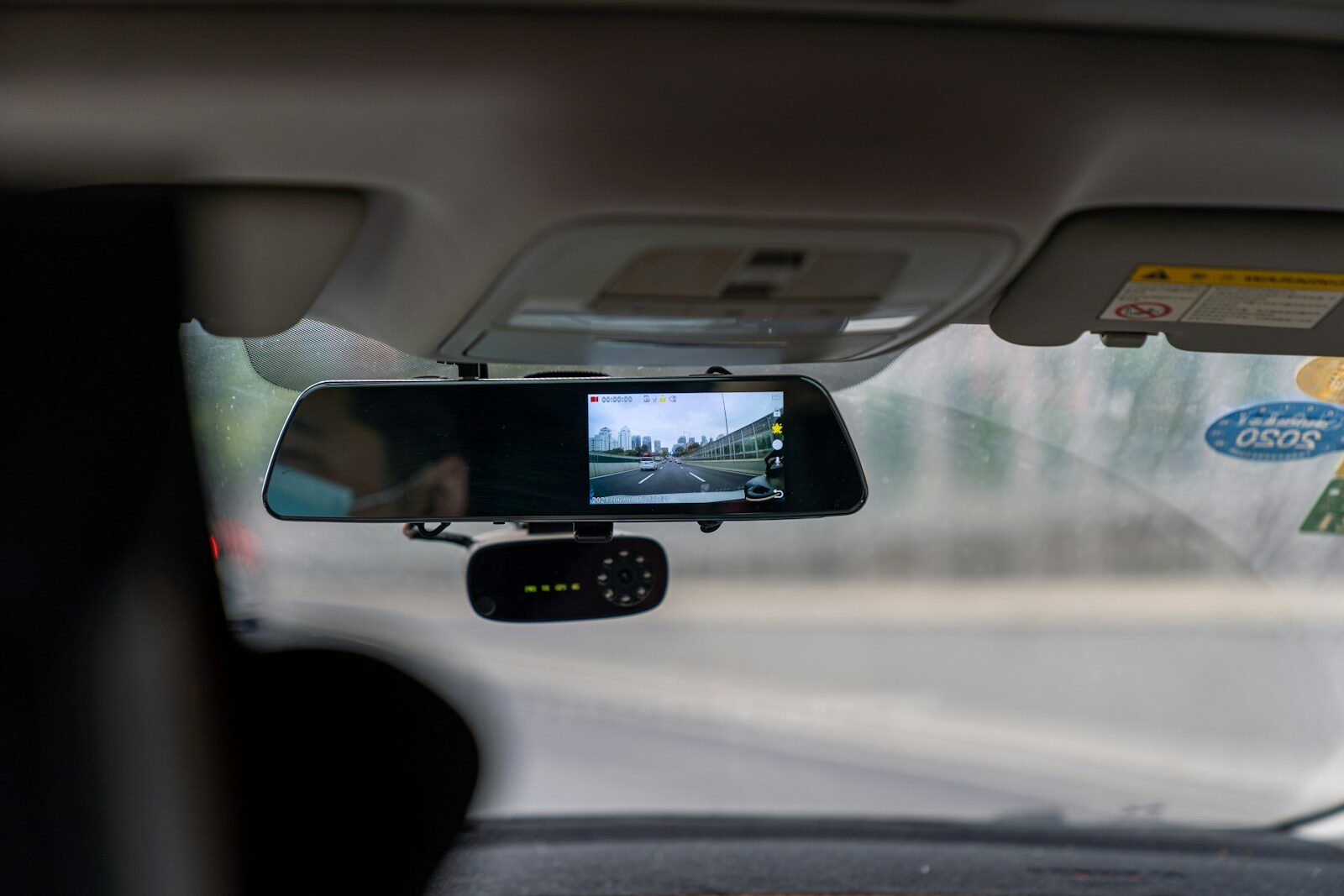

Dashcam footage has become one of the most powerful forms of evidence in car accident cases. Unlike witness testimony, which can be unreliable or contradictory, video footage provides an objective record of what happened before, during, and after a collision. For Michigan drivers, understanding how dashcam evidence is used in accident claims can make the difference between winning and losing a case.
In Michigan’s modified comparative negligence system, where fault percentages directly affect your compensation, clear video evidence showing what actually happened can be invaluable. A dashcam that captures the other driver running a red light or crossing the center line can eliminate disputes about who caused the crash.
Is Dashcam Footage Admissible in Michigan Courts?
Yes. Dashcam footage is generally admissible as evidence in Michigan civil and criminal proceedings, provided it meets basic evidentiary standards:
- Authenticity: The party presenting the footage must establish that it is genuine and has not been altered or tampered with. This typically involves testimony from the person who owns the dashcam confirming the date, time, and circumstances of the recording.
- Relevance: The footage must be relevant to the issues in the case—meaning it captures events related to the accident at issue.
- Best evidence rule: The original recording is preferred, though copies are generally acceptable if the original is unavailable for a valid reason.
- Foundation: A proper foundation must be laid, which usually means someone with knowledge of the dashcam system testifies about how it works, where it was positioned, and that the footage accurately represents what occurred.
Michigan courts have consistently admitted dashcam footage in auto accident cases. In practice, insurance adjusters and defense attorneys rarely challenge the admissibility of clear, unedited dashcam video.
Michigan’s Recording and Privacy Laws
Michigan law permits the use of dashcams without significant restrictions:
- Video recording: Michigan has no law prohibiting the use of dashboard cameras in your own vehicle. You are free to record video of the road, other vehicles, and public spaces while driving.
- Audio recording: Michigan is a one-party consent state under MCL 750.539c. This means you may legally record audio conversations in your car as long as at least one party to the conversation (you) consents. If your dashcam records audio inside the vehicle, this is legal as long as you are present and aware of the recording.
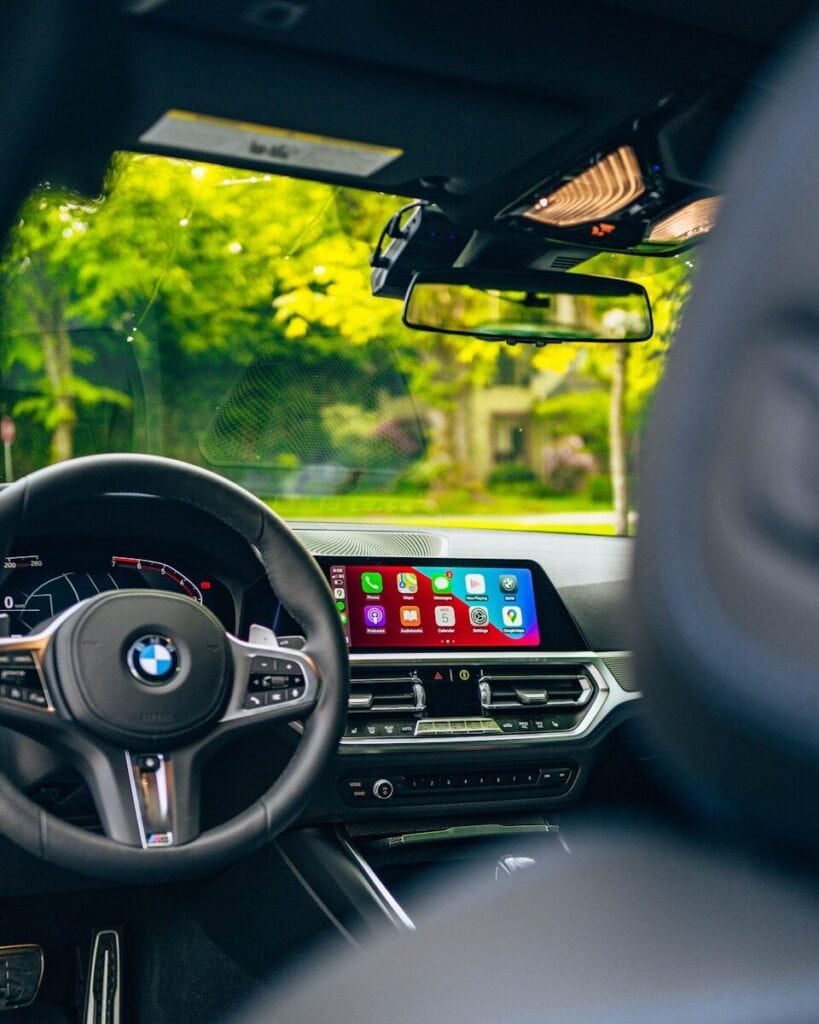
- Windshield mounting: Michigan law under MCL 257.709 restricts objects affixed to the windshield that obstruct the driver’s view. Mount your dashcam in a location that does not impair your line of sight—typically behind the rearview mirror or on the dashboard.
How Dashcam Footage Strengthens Your Claim
Dashcam evidence can strengthen your car accident claim in several critical ways:
Establishing Fault
The most important function of dashcam footage is proving who caused the accident. Video showing the other driver running a stop sign, making an illegal turn, texting while driving, or drifting into your lane provides powerful evidence of negligence. This is especially valuable in “he said, she said” disputes where both drivers claim the other was at fault.
Reducing Your Comparative Fault
Under Michigan’s comparative negligence rules, any fault assigned to you reduces your compensation. Dashcam footage that clearly shows you were obeying traffic laws—maintaining proper speed, using turn signals, stopping at yellow lights—can prevent the other side from inflating your share of blame.
Capturing Hit-and-Run Drivers
If the at-fault driver flees the scene, your dashcam may capture their license plate, vehicle description, and direction of travel. This information can help law enforcement locate the driver and provides critical evidence if you need to file an uninsured motorist claim.
Documenting Road and Weather Conditions
Dashcam footage records the condition of the road, weather, lighting, and traffic at the time of the accident. This context can support or refute claims about adverse conditions contributing to the crash.
Preserving Witness Behavior
Footage may capture the other driver’s behavior immediately after the crash—admissions of fault, signs of intoxication, or attempts to alter the scene. This contemporaneous evidence is far more persuasive than recollections shared weeks or months later.
When Dashcam Footage Can Hurt Your Case
Dashcam footage is a double-edged sword. It records everything objectively, which means it can also capture evidence that works against you:
- Your own traffic violations: If you were speeding, failed to signal, or rolled through a stop sign before the accident, the footage will show it.
- Distracted driving: Audio recording may capture you talking on the phone, and the video may show erratic driving consistent with distraction.
- Contradicting your statement: If your account of the accident differs from what the video shows, the footage will undermine your credibility.
An experienced attorney will review your dashcam footage before any claim is filed to assess whether it helps or hurts your position. Michigan’s discovery rules may require you to disclose relevant footage if it exists, so it is important to understand the full picture before proceeding.
What to Do with Dashcam Footage After an Accident
- Preserve the footage immediately. Do not let the dashcam overwrite the recording. Most dashcams use loop recording, meaning older files are automatically deleted when the memory card fills up. Remove the memory card or transfer the file to a computer as soon as possible after the accident.
- Make multiple copies. Save the footage to at least two locations—your computer and a cloud storage service. Never rely on a single copy.
- Do not edit or alter the footage. Any editing, cropping, or filtering can raise questions about authenticity and may render the footage inadmissible. Preserve the original file in its entirety.
- Do not post it on social media. Sharing footage online before your case is resolved can create legal complications. The other side’s attorneys and insurance company will monitor your social media accounts.
- Share it with your attorney. Provide the footage to your car accident lawyer before sharing it with anyone else, including your own insurance company. Your attorney can advise on the best strategy for using the evidence.
Choosing a Dashcam for Legal Protection
If you do not yet have a dashcam, consider these features to maximize its value as evidence:
- Resolution: At least 1080p (Full HD) to capture license plates and road signs clearly.
- Wide-angle lens: A 140-170 degree field of view captures more of the road and adjacent lanes.
- Date and time stamp: An embedded timestamp provides critical context for when the recording was made.
- Loop recording with impact detection: G-sensor technology automatically locks and protects footage when sudden deceleration or impact is detected, preventing it from being overwritten.
- Rear camera: A dual-camera system that records both front and rear views provides more comprehensive coverage, especially for rear-end collisions.
Frequently Asked Questions
Can the other driver’s insurance company request my dashcam footage?
Yes. During the discovery phase of a lawsuit, the opposing party can request relevant evidence, including dashcam footage. If the footage exists and is relevant to the case, you may be required to produce it. Spoliation—intentionally destroying or concealing evidence—can result in serious legal consequences, including adverse inference instructions to the jury.
Is it legal to record police officers with my dashcam during a traffic stop?
Yes. In Michigan, you have the right to record police officers performing their duties in public, including during a traffic stop. Your dashcam may continue recording during and after the stop. Michigan is a one-party consent state for audio, and courts have upheld the right to record public officials in the performance of their duties.
What if my dashcam footage shows I was partially at fault?
Consult an attorney before disclosing the footage. Even if the video shows you share some fault, Michigan’s comparative negligence system allows you to recover damages if you are 50% or less at fault. An experienced attorney can evaluate the footage in the context of all available evidence and develop a strategy that maximizes your recovery.
Can dashcam footage prove a distracted driving claim?
Dashcam footage from your vehicle may show the other driver looking down at their phone, swerving erratically, or failing to react to traffic signals—all consistent with distracted driving. Combined with phone records obtained through subpoena, dashcam evidence can build a compelling distracted driving case.
How long should I keep dashcam footage after an accident?
Keep all footage until your case is fully resolved, including any appeals. Michigan’s statute of limitations for personal injury is three years, so preserve the footage for at least that long. If a lawsuit is filed, retain it until the case is closed and all appeal periods have expired.
Have Dashcam Evidence from Your Accident? Contact Us Today.
Dashcam footage can be the key to proving your case—but only if it is preserved, analyzed, and presented properly. The Joseph Dedvukaj Firm, P.C. works with accident reconstruction experts and digital forensic specialists to maximize the impact of video evidence in your claim. Call 1-866-HIRE-JOE or visit 1866hirejoe.com for a free case evaluation.