

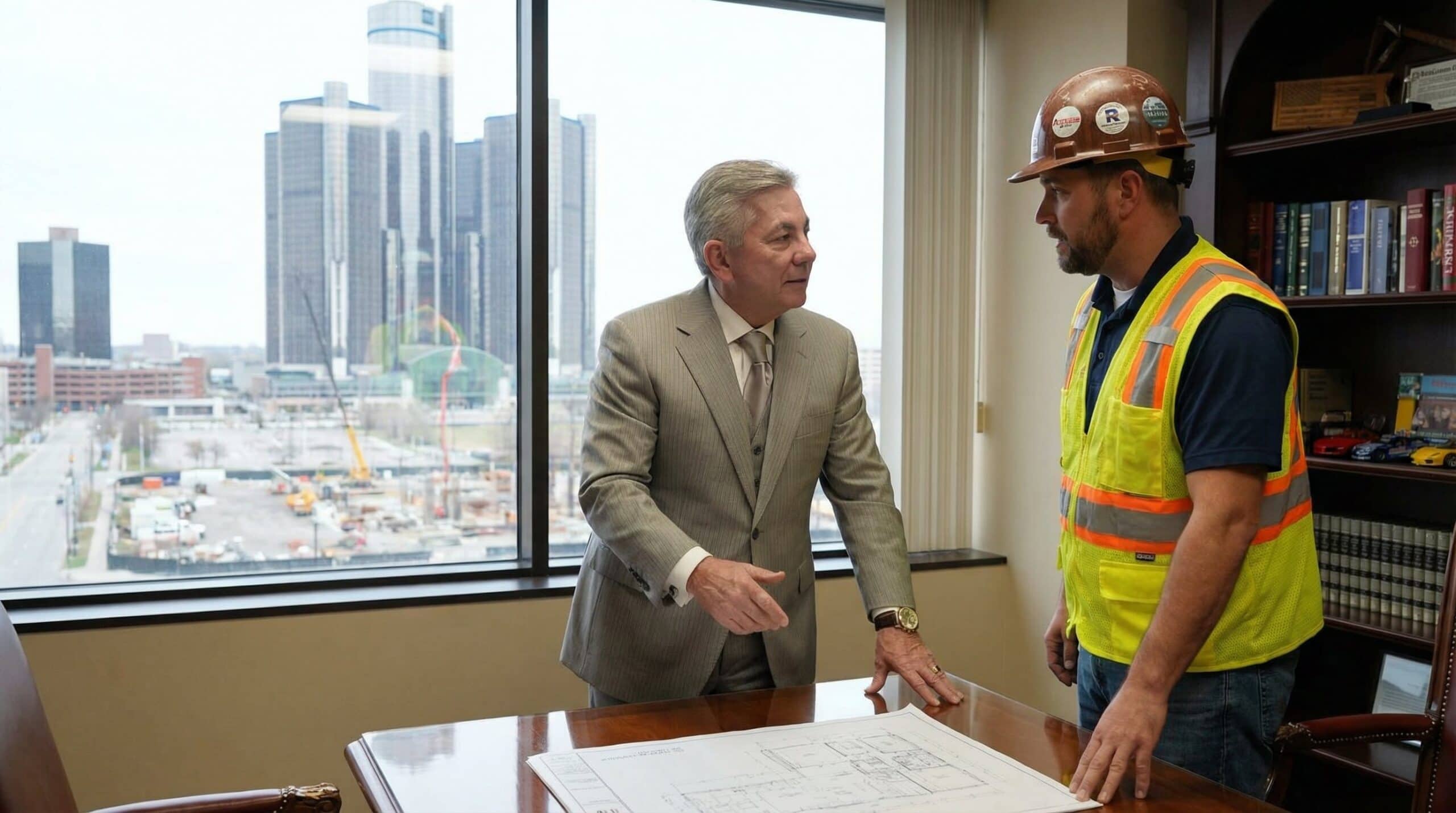

You were working on a commercial building site when the scaffolding collapsed, sending you plummeting two stories to the concrete below. Your fall resulted in multiple fractures, a spinal injury, and a traumatic brain injury that will affect you for the rest of your life. Your employer filed a workers’ compensation claim covering some medical expenses and partial wage replacement, but you’re learning this barely scratches the surface of your losses. You’ll never return to construction work, you’re facing hundreds of thousands in future medical costs, and you’ve lost your ability to support your family. Friends tell you that workers’ comp might not be your only option—that third-party liability claims against contractors, equipment manufacturers, or property owners might provide additional compensation. You wonder: Can you sue beyond workers’ comp? Who else might be responsible? How do you find construction accident law firms with experience handling these complex cases?
Construction accidents cause some of the most severe workplace injuries—falls from heights, equipment malfunctions, electrocutions, and structural collapses lead to catastrophic injuries and deaths. While workers’ compensation provides basic benefits, Michigan law often allows injured construction workers to pursue additional personal injury claims against negligent third parties. Understanding common construction hazards, OSHA safety violations, who can be sued beyond your employer, and why experienced construction accident lawyers are essential for maximizing recovery is critical for protecting your rights and financial future after construction site injuries.
Common Types of Construction Site Accidents
Michigan construction sites present numerous hazards causing serious injuries and deaths every year. The Bureau of Labor Statistics consistently ranks construction among the most dangerous industries, with workers facing risks from heights, heavy equipment, electrical systems, and structural elements that can fail catastrophically.
Falls from heights represent the leading cause of construction deaths and serious injuries. Workers tumble from scaffolding that collapses or wasn’t properly secured, fall from ladders that slip, tip, or break, plummet through unprotected floor openings, or fall from roofs and elevated platforms when employers fail to provide proper fall protection equipment. Many falls occur when site supervisors leave edges and holes unguarded, violating fundamental safety principles. OSHA requires fall protection for any work at heights over six feet in construction, yet violations of this basic standard remain tragically common. The injuries from these falls are typically catastrophic—spinal cord injuries leaving workers paralyzed, traumatic brain injuries causing permanent cognitive impairment, multiple fractures requiring numerous surgeries, or death.
Struck-by accidents occur when workers are hit by falling tools or materials dropped from heights above, struck by moving vehicles and equipment on crowded sites, crushed by swinging crane loads, injured by collapsing walls or structures, or hit by rolling equipment or materials on sloped terrain. The force involved in these impacts often causes fatal injuries, particularly when heavy materials or equipment strike workers’ heads or torsos.
Caught-in or caught-between accidents trap workers in trench collapses during excavation work, crush them between equipment and fixed objects, catch them in machinery lacking proper guards, or trap them in structural collapses. Trench collapses prove particularly deadly, with workers buried under tons of earth that suffocates them within minutes. These accidents occur with alarming frequency despite clear OSHA requirements for protective systems in deep excavations.
Electrocution accidents happen when workers contact overhead power lines while operating equipment, strike underground power cables during digging, use faulty electrical equipment, work with improper wiring, or work in wet conditions that increase conductivity. Electrical contact can cause severe burns destroying tissue deep into the body, cardiac arrest stopping the heart, neurological damage from current passing through the nervous system, or immediate death. Even workers who survive often face permanent disabilities and disfigurement.
Equipment and machinery accidents injure workers operating or working near forklifts and aerial lifts, cranes and hoists, power tools including saws, drills, and nail guns, and heavy equipment like bulldozers and excavators. Defective or improperly maintained equipment multiplies these risks, with mechanical failures causing catastrophic consequences. Amputations from unguarded saws, crushing injuries from equipment rollovers, and fatal injuries from crane collapses demonstrate the deadly nature of equipment accidents.
Chemical exposure occurs when workers breathe toxic fumes and gases, inhale asbestos fibers and silica dust causing lung disease, absorb solvents and adhesives through skin contact, or are exposed to lead and other heavy metals causing neurological damage. Many of these exposures cause health problems that emerge years after exposure, making immediate recognition of danger difficult.
At The Joseph Dedvukaj Firm, we handle all types of construction accidents, understanding the unique hazards workers face and the multiple parties who may bear responsibility for injuries. Our experience with over 15,000 clients and $300 million recovered includes substantial recoveries for catastrophically injured construction workers.
OSHA Safety Violations and Their Role in Liability
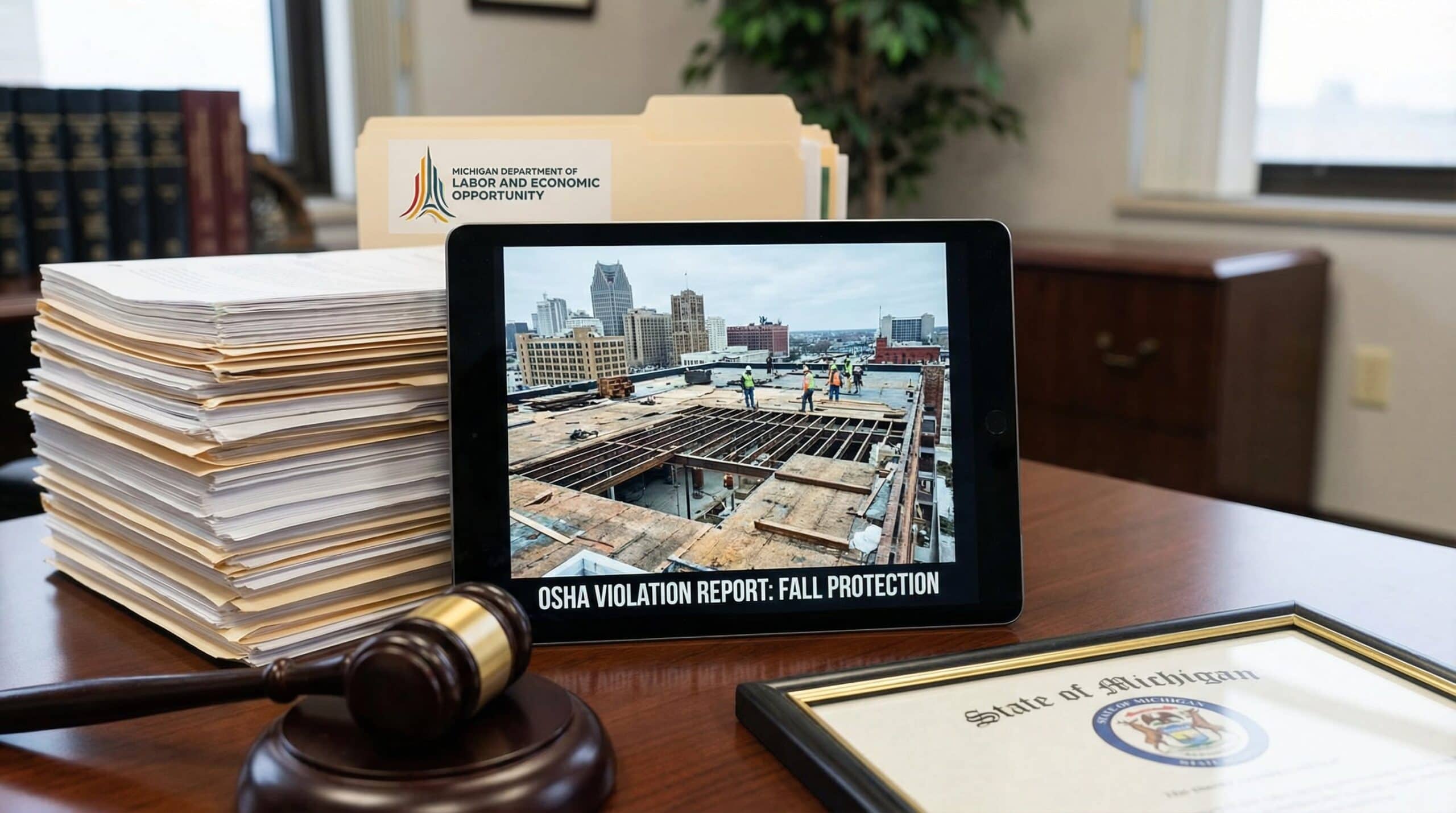
The Occupational Safety and Health Administration (OSHA) establishes comprehensive construction safety standards designed to prevent the hazards that kill and injure thousands of workers annually. Violations of these standards often establish negligence in personal injury cases, providing powerful evidence that defendants failed to meet minimum safety requirements.
Fall protection standards under 29 CFR 1926.501 require employers to provide guardrails for platforms over 6 feet high, personal fall arrest systems including harnesses and lanyards for workers at elevation, safety nets below work areas when other protection isn’t feasible, and warning lines to keep workers away from unprotected edges. These requirements aren’t suggestions—they’re mandatory safety measures that prevent deaths. Yet fall protection violations remain among OSHA’s most frequently cited, appearing year after year in top violation lists.
Scaffolding standards under 29 CFR 1926.451 mandate proper construction ensuring stability, guardrails and toeboards preventing falls and falling objects, adequate planking that won’t collapse under workers’ weight, and strict weight capacity limits preventing overloading. Scaffold collapses kill workers with horrifying regularity, almost always involving violations of these basic standards. Employers who cut corners on scaffold safety to save money or time gamble with workers’ lives.
Electrical safety standards under 29 CFR 1926.400 require ground-fault circuit interrupters protecting workers from shocks, safe distances from power lines when operating equipment, proper wiring and equipment maintenance, and lockout/tagout procedures ensuring equipment can’t accidentally energize while workers perform maintenance. Electrocution remains one of construction’s “fatal four” causes of death, largely preventable through compliance with these standards.
Excavation and trenching standards under 29 CFR 1926.650 mandate proper shoring and sloping preventing cave-ins, protective systems for any trench 5 feet deep or deeper, daily inspections before workers enter excavations, and safe entry and exit points allowing quick escape. Despite these clear requirements, workers continue dying in trench collapses at rates that should shock America’s conscience. Every trench death represents a failure to follow known safety practices.
Personal protective equipment standards under 29 CFR 1926.95 require hard hats protecting against falling objects, safety glasses preventing eye injuries, gloves appropriate for the work being performed, respirators when workers face inhalation hazards, and high-visibility clothing keeping workers visible to equipment operators. PPE provides the last line of defense when other safety measures fail, making proper equipment essential.
OSHA violations discovered after accidents provide compelling evidence in personal injury cases. Citations document specific safety failures that occurred, establish the standards defendants should have followed, prove defendants knew or should have known about violations, and create a legal presumption of negligence that shifts burden to defendants. Severe violations classified as willful, repeated, or serious particularly strengthen liability cases, demonstrating that defendants consciously disregarded worker safety.
When serious injuries, fatalities, or complaints occur, OSHA may investigate the site. Investigators inspect conditions, interview workers, review safety programs, and examine equipment. Citations issued for violations include penalties ranging from $15,625 per serious violation up to $156,259 for willful or repeated violations. These citations become public records providing valuable evidence in personal injury claims. Experienced construction accident law firms obtain and use OSHA records to establish liability against negligent parties.
Workers’ Compensation vs. Third-Party Liability Claims
Construction workers injured on the job have two distinct avenues for compensation that work together to provide comprehensive recovery. Understanding the difference between workers’ compensation and third-party liability claims is essential to maximizing your total recovery.
Workers’ compensation provides benefits regardless of fault under Michigan’s no-fault workplace injury system. In exchange for guaranteed benefits without proving negligence, employees generally cannot sue their direct employers for additional damages. This “exclusive remedy” rule protects employers from lawsuits while ensuring injured workers receive immediate benefits. Workers’ comp covers medical expenses for treatment, partial wage replacement at typically 80% of after-tax wages subject to caps, vocational rehabilitation when you can’t return to previous work, and lump-sum settlements for permanent injuries.
However, workers’ comp limitations leave catastrophically injured workers dramatically undercompensated. The system provides no compensation for pain and suffering, no full wage replacement—only partial—and benefits capped at levels grossly inadequate for catastrophic injuries requiring lifetime care. Punitive damages to punish egregious conduct are unavailable. A construction worker paralyzed in a scaffolding collapse may face millions in lifetime care costs far exceeding workers’ comp caps, decades of lost earning capacity, and immeasurable pain and suffering—none adequately addressed by workers’ comp alone.
Third-party liability claims provide the comprehensive compensation workers’ comp excludes. Construction sites involve numerous parties beyond your direct employer who may bear legal responsibility for injuries. General contractors different from your employer may be liable for maintaining unsafe site conditions, failing to implement adequate safety protocols, inadequately coordinating different trades working simultaneously, or negligently hiring or supervising subcontractors. Other subcontractors working on site whose negligence causes injuries can be sued for full damages.
Property owners can face liability for dangerous conditions they created or knew about but failed to correct, failing to ensure contractors maintained safe worksites, or negligently hiring contractors without proper safety records or insurance. Equipment manufacturers face product liability when defective equipment causes injuries, whether from defective design, manufacturing defects, inadequate warnings or instructions, or failure to include available safety features that would have prevented injuries.
Equipment rental companies renting defective equipment may share liability, as can architects and engineers whose design defects or inadequate safety specifications contribute to accidents. The complex nature of construction projects with multiple companies and individuals involved often creates multiple potential defendants for third-party claims.
Third-party claims allow recovery for pain and suffering damages unavailable in workers’ comp, full wage loss rather than partial replacement, future lost earning capacity reflecting lifetime losses, compensation for diminished quality of life, and sometimes punitive damages in cases involving particularly reckless conduct. These damages can exceed workers’ comp benefits by five to ten times or more, making third-party claims essential for adequate compensation.
The strategic approach for construction injury victims combines both systems. Pursue workers’ compensation immediately for prompt medical care and wage replacement while you’re unable to work. Simultaneously, retain experienced construction accident law firms to investigate and pursue third-party lawsuits for full compensation beyond workers’ comp limitations. This dual approach maximizes total recovery, with workers’ comp providing immediate support while third-party litigation proceeds toward comprehensive settlement or verdict.
Proving Third-Party Liability in Construction Accidents
Construction accident law firms build strong third-party cases through thorough investigation, expert analysis, and aggressive pursuit of all liable parties. Success requires moving quickly to preserve evidence and identify responsible parties before evidence disappears.
Immediate evidence preservation is critical because construction sites change rapidly after accidents. Scene photographs and videos document conditions as they existed at the time of injury, capturing hazards that caused accidents. Witness statements from co-workers must be obtained while memories remain fresh and before employers pressure workers to change stories. Physical evidence including defective equipment must be inspected and preserved before it’s repaired, replaced, or destroyed. Documentation of safety protocols, weather conditions, and lighting conditions all provide context for understanding what went wrong.
Evidence disappears with shocking speed—sites are cleaned up within hours, equipment is removed or repaired eliminating proof of defects, witnesses scatter to other job sites, and memories fade. Immediate attorney involvement ensures crucial evidence is preserved before it vanishes forever. Attorneys can issue preservation letters requiring parties to maintain evidence, conduct independent inspections before conditions change, and interview witnesses before stories are coordinated.
Document review uncovers the contractual and administrative framework establishing who bore responsibility for safety. Construction contracts define safety obligations among parties, determine who controlled the site, contain indemnification provisions affecting ultimate liability, and specify insurance requirements creating potential recovery sources. These contracts often specifically assign safety responsibilities, making them powerful evidence when injuries result from violations of those duties.
Safety programs in writing demonstrate what procedures companies required but failed to follow. Written programs show required safety procedures, identify parties responsible for implementation, specify training requirements for workers, and establish inspection protocols. When injuries result from violations of companies’ own written safety plans, establishing negligence becomes straightforward.
Inspection and maintenance records for equipment reveal maintenance history showing whether equipment was properly cared for, known defects that weren’t corrected, prior incidents involving the same equipment, and training records for operators. Equipment logs showing repeated problems that weren’t fixed prove companies knew about dangers but prioritized productivity over safety.
OSHA records including citations, inspection reports, and complaint history often provide the strongest evidence available. Citations issued after accidents document violations with government authority behind findings, making them difficult for defendants to dispute.
Expert analysis transforms raw evidence into compelling proof of liability. Safety experts analyze whether proper safety equipment was provided, OSHA standards were met, industry best practices were followed, and accidents were preventable through reasonable safety measures. Their testimony educates juries about standards defendants violated and explains how compliance would have prevented injuries.
Engineering experts prove liability in cases involving scaffolding collapses, structural failures, equipment malfunctions, and design defects. These technical experts reconstruct accidents, identify mechanical failures, and demonstrate how proper design or maintenance would have prevented catastrophe. Accident reconstructionists recreate exactly how accidents occurred, establishing clear chains of causation from defendants’ negligence to plaintiffs’ injuries.
Medical experts document injury severity with precision, quantify permanent impairments, project future medical needs often totaling millions for catastrophic injuries, and calculate lost earning capacity when workers can never return to construction careers. Their testimony establishes the full scope of damages justifying substantial compensation.
Compensation in Construction Accident Cases
Third-party construction claims provide dramatically greater compensation than workers’ comp alone, often making the difference between financial devastation and security for catastrophically injured workers and their families.
Economic damages compensate all financial losses. Medical expenses include emergency treatment immediately after accidents, hospitalization and surgery addressing acute injuries, extensive rehabilitation often required for catastrophic injuries, future medical care continuing for life with permanent injuries, medical equipment and home modifications enabling daily living with disabilities, and attendant care for severe disabilities preventing self-care. Catastrophic injuries can generate medical costs totaling millions over a lifetime.
Lost wages and earning capacity damages reflect full wage loss rather than workers’ comp’s partial replacement, lost employment benefits including health insurance and retirement contributions, future earning capacity losses when injuries prevent returning to construction work, and diminished earning capacity even if you can work in reduced capacity. For young workers with decades of work life ahead, career-ending injuries destroy earning potential worth millions in present value.
Non-economic damages address the human cost of injuries beyond financial losses. Pain and suffering compensation reflects physical pain from injuries and surgeries, ongoing chronic pain affecting every day of life, emotional distress and mental anguish from trauma and disability, and loss of enjoyment from activities you can no longer perform. Permanent disability warrants compensation for permanent physical limitations, disfigurement and scarring affecting appearance and self-image, loss of bodily function like paralysis or amputation, and dramatic negative impact on quality of life. These human costs often exceed economic damages in value.
Construction Accident Settlement Ranges:
| Injury Severity | Description | Typical Settlement Range |
|---|---|---|
| Moderate Injuries | Fractures, soft tissue requiring treatment | $100,000-$500,000 |
| Serious Injuries | Requiring surgery, extended recovery | $500,000-$2,000,000 |
| Catastrophic Injuries | Spinal cord, TBI, amputations | $2,000,000-$10,000,000+ |
| Fatal Accidents | Wrongful death claims | $1,000,000-$10,000,000+ |
Several key factors affect settlement value. Injury severity and permanence drive value—long-term disabilities warranting lifetime care generate largest settlements. Age and earning capacity matter tremendously, with younger workers suffering greater lifetime losses. The number of liable third parties affects potential recovery because more defendants mean more insurance coverage available. Available insurance coverage creates practical limits on recovery regardless of verdicts. Strength of liability evidence including clear OSHA violations and multiple expert opinions increases settlement leverage. Finally, comparative negligence reduces recovery by the percentage of fault attributed to the injured worker.
Multiple defendants on construction sites often provide multiple insurance policies creating substantial total coverage. General contractors, subcontractors, equipment manufacturers, and property owners each typically carry significant liability insurance. Multiple defendants provide greater total insurance coverage to compensate victims, multiple settlement opportunities as parties settle individually, and leverage in negotiations as defendants blame each other. Experienced construction accident law firms identify and pursue all liable parties, maximizing total recovery potential.
Get Help from Experienced Michigan Personal Injury Lawyers
Construction accidents cause devastating injuries requiring lifetime care and ending careers. While workers’ compensation provides basic immediate benefits, third-party liability claims often provide the comprehensive compensation injured construction workers and their families desperately need and absolutely deserve.
The Joseph Dedvukaj Firm has extensive experience with construction accident cases, understanding the complex web of contractors, safety regulations, and liability issues involved. We aggressively pursue all responsible parties, ensuring maximum compensation for injured workers. Our firm has represented over 15,000 clients and recovered more than $300 million for Michigan injury victims, including substantial recoveries in construction accident cases.
Attorney Joseph Dedvukaj’s AV Preeminent rating and National Trial Lawyers: Top 100 membership demonstrate exceptional legal ability. We work on a no-win, no-fee contingency basis, meaning you pay nothing upfront and nothing unless we recover compensation for you. Our comprehensive approach ensures you receive both workers’ compensation benefits and full third-party compensation.
Our immediate investigation preserves crucial evidence before it disappears, obtains OSHA violation documentation establishing liability, identifies multiple defendants maximizing recovery sources, retains top safety and engineering experts proving negligence, calculates comprehensive damages including lifetime costs, and provides aggressive advocacy against corporate defendants and their insurers. We handle the legal complexity while you focus on medical recovery.
Don’t settle for workers’ comp alone when third parties may be liable for your full damages. Contact The Joseph Dedvukaj Firm today for a free consultation. Call 1-866-HIRE-JOE or visit our website. We serve Michigan construction workers from our Bloomfield Hills office, representing injured workers throughout the state.
Time is critical—evidence must be preserved immediately before sites are altered, witnesses must be interviewed while memories are fresh, and Michigan’s three-year statute of limitations must be met or your claim is forever barred. Early legal consultation ensures comprehensive investigation and pursuit of all liable parties while you focus on medical recovery and rehabilitation.
Your construction accident deserves full compensation addressing your lifetime needs. Let experienced attorneys fight for your rights and financial security. We understand the devastating impact of construction injuries on workers and families, and we’re committed to holding all responsible parties accountable for the harm they’ve caused.