



Your eight-year-old daughter and her friends were playing in the neighborhood when they discovered an unfenced swimming pool in a vacant lot. The children, excited by the summer heat and the inviting water, climbed over some low brush and jumped in. Your daughter, who isn’t a strong swimmer, nearly drowned before a passerby heard the screaming and called 911.
She survived, but not without trauma and medical bills. The property owner’s defense? ” Those kids were trespassing.
They shouldn’t have been there.” But you know in your heart that leaving an accessible pool unsecured in a neighborhood full of children was dangerous and irresponsible. Can property owners really escape liability when attractive hazards lure children onto their property?
This is where the attractive nuisance doctrine comes into play. It is a legal principle recognizing that children lack the judgment to recognize and avoid dangers, and that property owners must take reasonable precautions when their property contains features likely to attract curious children. Understanding this doctrine, how Michigan applies it, what qualifies as an attractive nuisance, and how to protect your children’s rights after an injury is crucial for parents and property owners alike.
What Is the Attractive Nuisance Doctrine?
The attractive nuisance doctrine is a premises liability legal principle holding property owners responsible for injuries to children who trespass on their property to access dangerous features that are likely to attract children.
The Core Concept:
Normally, property owners owe minimal duty to trespassers. They must avoid willful or wanton harm but generally aren’t liable for injuries trespassers suffer. However, children are different.
Young children lack the maturity, judgment, and ability to appreciate dangers that adults can recognize. When property contains features that are both attractive to children and dangerous, property owners have a duty to take reasonable precautions, such as securing the hazard, fencing it off, or eliminating it, even though children have no legal right to be there.
The Rationale:
The doctrine balances two competing interests:
- Children’s safety: Society recognizes children’s natural curiosity and inability to foresee danger
- Property rights: Owners shouldn’t face unlimited liability for every child who wanders onto their property
The attractive nuisance doctrine splits the difference, requiring property owners to take reasonable precautions for hazards they know are likely to attract and harm children, while not making them absolute insurers of children’s safety.
Michigan’s Application:
Michigan courts recognize the attractive nuisance doctrine, though they apply it conservatively. Cases establish that property owners may be liable for child injuries when specific elements are proven.
At The Joseph Dedvukaj Firm, we’ve represented children seriously injured by attractive nuisances including swimming pools, abandoned vehicles, construction sites, and other hazards.
We understand the legal complexities and fight to hold negligent property owners accountable for failing to protect vulnerable children.
Elements Required to Prove Attractive Nuisance in Michigan
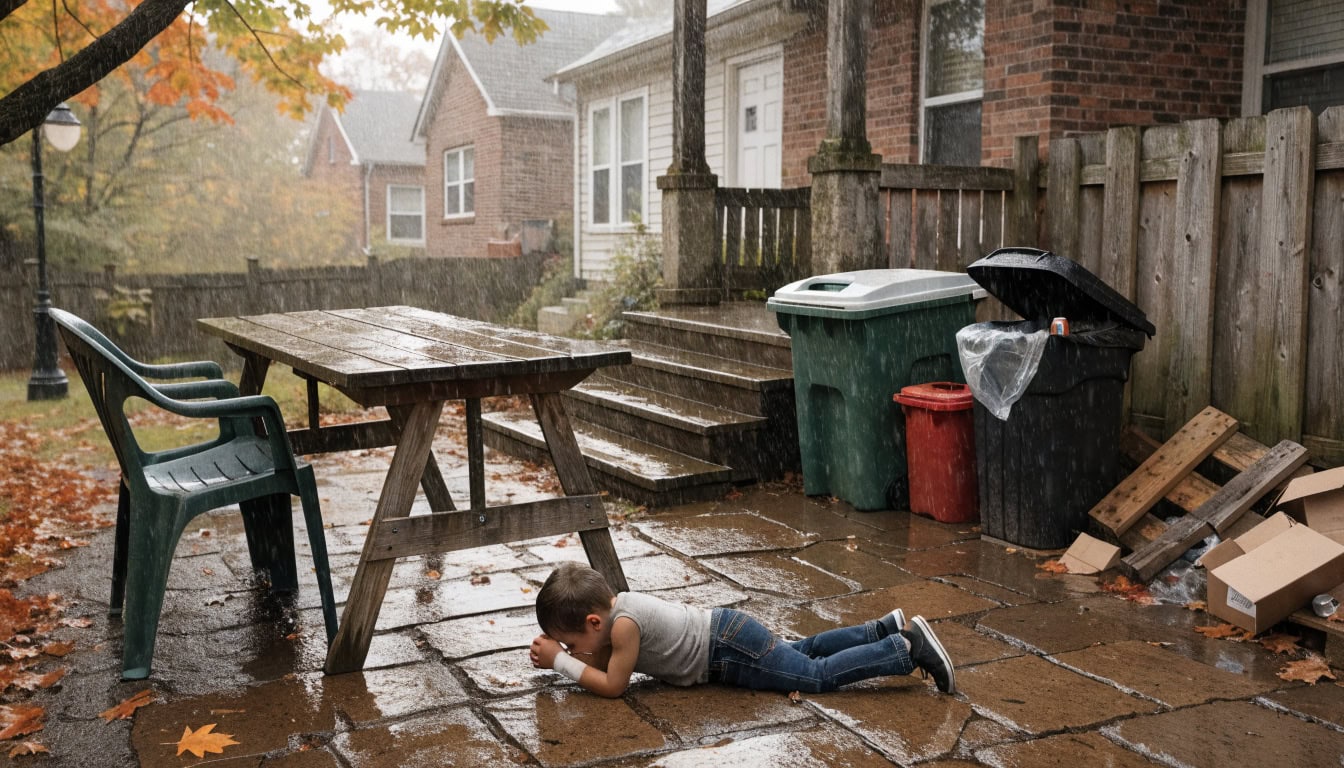
To prevail in an attractive nuisance case in Michigan, you must prove five essential elements derived from the Michigan Supreme Court’s interpretation of premises liability law:
**1.
Property owners must reasonably anticipate that children might enter their property.
- Residential neighborhoods where children play outside
- Properties near schools, parks, or playgrounds where children gather
- Prior instances of children on the property
- Common pathways children use (even if technically trespassing)
- Obvious attractiveness of the feature to children
Example: A pool in a suburban neighborhood surrounded by homes with young families satisfies this element. A pool on remote rural property rarely accessed by children might not.
**2.
The hazard must be something that would appeal to a child’s natural curiosity and desire to play or explore.
- Swimming pools
- Trampolines
- Playground equipment
- Treehouses
- Abandoned vehicles or appliances
- Construction equipment
- Ponds or lakes
- Tunnels or caves
- Attractive landscaping features
Key Factor: The feature must be alluring from a child’s perspective, not necessarily what adults find attractive.
**3.
The doctrine protects children who lack the maturity and judgment to recognize hazards.
- Child’s age: Younger children (typically under 12) are more likely protected; teenagers may be expected to appreciate dangers
- Nature of danger: Some hazards (electrical equipment, deep water) are understood even by young children; others (hidden dangers, non-obvious risks) may not be
- Individual child’s capacity: Courts consider the specific child’s maturity and understanding
Note: This element doesn’t require the child to be completely incapable of understanding danger, only that their immaturity prevented them from fully appreciating and avoiding the risk.
**4.
Property owners aren’t required to eliminate every possible hazard.
- Severity of potential harm: Death or serious injury weighs toward liability
- Likelihood of children accessing the hazard: Highly accessible features require more protection
- Cost and difficulty of securing the hazard: Reasonable precautions are required, not extreme measures
- Utility of maintaining the condition: Property owners can keep useful features if reasonably secured
Example: A swimming pool can be made reasonably safe with proper fencing, locked gates, and pool covers. That represents a relatively low burden compared to drowning risk. Property owners aren’t required to remove the pool entirely, but they must take reasonable steps to secure it.
**5.
Property owners must take reasonable precautions to protect children, such as:
- Installing fencing around pools, ponds, or dangerous areas
- Locking gates and access points
- Covering pools when not in use
- Removing or securing dangerous equipment
- Posting warning signs (though warnings alone are often insufficient for young children who can’t read or appreciate danger)
- Filling in abandoned pools, wells, or excavations
- Removing ladders from trampolines or other equipment
What Constitutes Reasonable Care: This depends on the specific hazard, likelihood of child access, severity of potential harm, and cost of precautions. A four-foot fence might be reasonable for a garden pond; a six-foot fence with self-latching, self-locking gates is standard for swimming pools.
Proving all five elements requires thorough investigation, expert testimony, and skilled legal representation. Insurance companies aggressively defend attractive nuisance cases, arguing children should have known better, parents should have supervised better, or property owners took adequate precautions.
Common Attractive Nuisances in Michigan
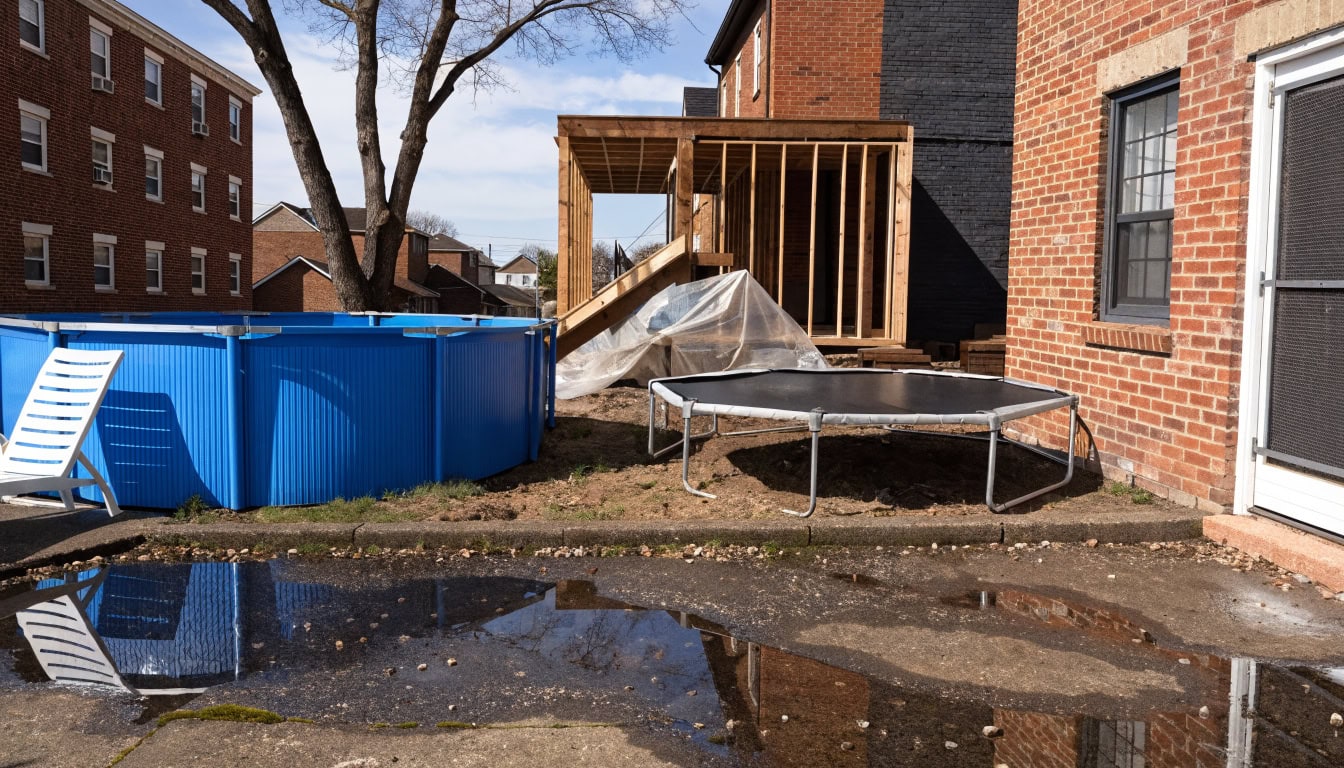
Understanding what constitutes attractive nuisances helps parents stay vigilant and property owners take appropriate precautions:
Swimming Pools:
The Classic Attractive Nuisance: Pools are irresistibly attractive to children, especially on hot summer days. Michigan has specific pool safety regulations, but not all property owners comply.
- Unfenced pools
- Pools with inadequate fencing (under 4 feet high, climbable)
- Gates without self-latching, self-locking mechanisms
- Uncovered pools that invite access
- Above-ground pools with ladders left in place
Drowning statistics: Drowning is a leading cause of death for children ages 1-4. Most child drownings occur in residential pools, often when children access pools unsupervised.
Trampolines:
Trampolines cause thousands of child injuries annually, including fractures, head injuries, and spinal cord damage. When left accessible in yards without fencing, they attract neighborhood children who jump without supervision or proper safety equipment.
Abandoned Vehicles and Equipment:
Old cars, farm equipment, construction machinery, and appliances (especially refrigerators with doors that latch) attract children who:
- Climb on vehicles and fall
- Get trapped in trunks or refrigerators and suffocate
- Suffer burns from hot surfaces or electrical shocks
- Experience crush injuries from unstable equipment
Construction Sites:
Construction areas contain numerous child-attractive hazards:
- Excavations and pits where children fall
- Heavy equipment children climb and operate
- Exposed electrical wiring
- Building materials and chemicals
- Heights from which children fall
Natural Water Features:
Ponds, lakes, quarry pits, and retention basins attract children for swimming but may have:
- Unexpected depth
- Hidden currents or undertows
- Cold water causing shock
- Slippery or unstable edges
- Contaminated water
Other Common Attractive Nuisances:
- Wells: Open or improperly covered wells risk children falling in
- Trees with Treehouses: Structures in trees attract climbing but may be unsafe
- Railroad tracks and switching stations: Children play on tracks unaware of dangers
- Power equipment: Lawnmowers, wood chippers, etc. left accessible
- Chemicals and pesticides: Attractive containers that children mistake for drinks
- Ziplines and homemade playground equipment: Improperly built structures
Michigan property owners must assess their property from a child’s perspective: what might attract curious children, and what reasonable steps are necessary to prevent injury?
Property Owner Duties and Defenses
Property owners facing attractive nuisance claims raise several common defenses:
“The Hazard Wasn’t That Attractive”:
Owners argue the feature wouldn’t attract a reasonable child. This defense works for genuinely unattractive hazards (utility equipment, industrial machinery with no play value) but fails for obviously child-attractive features (pools, playgrounds, trampolines).
“The Child Was Old Enough to Know Better”:
Owners argue older children (typically teenagers) should appreciate dangers and be held responsible for their choices.
- Child’s age
- Obviousness of the danger
- Whether even mature children might fail to appreciate specific risks
“The Danger Was Open and Obvious”:
Michigan premises liability law generally holds that property owners aren’t liable for open and obvious dangers that visitors should notice and avoid. However, courts apply this defense less strictly to children under the attractive nuisance doctrine, recognizing that children often fail to appreciate even obvious dangers.
“I Took Reasonable Precautions”:
Owners demonstrate they:
- Installed adequate fencing
- Locked gates and access points
- Posted warning signs
- Regularly inspected and maintained the area
- Complied with local safety ordinances
Whether precautions were “reasonable” depends on factors discussed earlier, including severity of harm, cost of precautions, and accessibility.
“The Parents Were Negligent in Supervising”:
Owners argue parents should have prevented their children from trespassing. While parental supervision is important, Michigan’s comparative negligence rules may reduce, but not necessarily eliminate, recovery based on parental fault. If property owners failed to take reasonable precautions, they can still be liable even if parents also bear some responsibility.
“I Didn’t Know Children Frequented the Area”:
Owners claim no reason to expect children on their property.
- The property is in a residential neighborhood
- Prior incidents of children on the property occurred
- The attractive feature is visible and accessible from areas children frequent
Comparative Negligence:
Even when attractive nuisance liability is established, Michigan’s comparative fault rules may reduce recovery based on:
- Parental failure to supervise adequately
- Child’s own contributory negligence (if old enough to appreciate danger)
- Percentage allocated to each party’s fault
Recovery is barred only if the child/family is more than 50% at fault.
Proving Liability and Protecting Your Child’s Rights

Building successful attractive nuisance cases requires immediate action and thorough evidence:
Action Checklist After a Child Injury:
- Seek Immediate Medical Treatment – Your child’s health is paramount; creates documentation linking injuries to incident
- Report the Incident – Notify property owners, their insurance, and police if appropriate; file incident reports
- Document the Scene Thoroughly:
- Photograph hazard from multiple angles
- Document lack of fencing, warnings, or security measures
- Photograph access routes children used
- Note proximity to residential areas, schools, playgrounds
- Preserve evidence before property owners remediate
- Gather Witness Information – Identify other children present, neighbors who’ve seen children at location, anyone who can testify about hazard’s attractiveness or inadequate security
- Preserve Physical Evidence – Keep clothing, shoes, or items from incident that show how injury occurred
- Don’t Give Statements – Politely refer property owner’s insurance to your attorney
Building Your Case:
Expert Testimony: Cases often require experts on:
- Safety standards: Establishing what reasonable precautions property owners should take for specific hazards
- Child development: Explaining children’s cognitive development and inability to appreciate dangers
- Building codes: Demonstrating violations of safety regulations
- Engineering: Analyzing how accidents occurred and what could have prevented them
Municipal Code Violations: Many municipalities have specific requirements for:
- Pool fencing (height, gate mechanisms, proximity to pool)
- Securing abandoned properties
- Construction site safety
- Dangerous condition remediation
Violations of these codes provide strong evidence of negligence.
Prior Incidents: Evidence of previous child injuries or near-misses on the property demonstrates the owner knew or should have known about the danger.
Discovery:
- Property maintenance records
- Insurance applications (asking about pool safety features)
- Prior complaints or warnings about the hazard
- Proof of knowledge that children frequented the area
The Joseph Dedvukaj Firm conducts exhaustive investigations in child injury cases, working with safety experts, obtaining municipal records, and interviewing neighborhood witnesses. Our comprehensive approach has secured substantial compensation for children suffering serious injuries from attractive nuisances.
Compensation Available in Attractive Nuisance Cases
Children injured by attractive nuisances may recover:
Economic Damages:
- All medical expenses (past and future)
- Rehabilitation and therapy costs
- Medical equipment and modifications
- Lost future earning capacity (for permanent disabilities)
- Special education needs
Non-Economic Damages:
- Pain and suffering
- Emotional distress and trauma
- Loss of normal childhood experiences
- Permanent disability and disfigurement
- Psychological counseling needs
Parental Claims:
- Medical expenses paid by parents
- Lost wages from caring for injured child
- Loss of consortium (child’s companionship and services)
Typical Settlement Ranges for Attractive Nuisance Cases:
| Injury Severity | Examples | Settlement Range |
|---|---|---|
| Minor Injuries | Brief treatment, full recovery | $10,000-$50,000 |
| Moderate Injuries | Fractures, significant trauma | $50,000-$200,000 |
| Severe Injuries | Brain damage, paralysis, permanent disability | $200,000-$5,000,000+ |
| Wrongful Death | Fatal drowning, traumatic death | $500,000-$10,000,000+ |
Catastrophic injuries requiring lifetime care necessitate comprehensive life care planning and economic analysis to ensure settlements cover all future needs.
Get Help from Experienced Michigan Personal Injury Lawyers
When your child is injured by an attractive nuisance, you’re facing not just the trauma and medical challenges but also legal battles with property owners and insurance companies who will aggressively defend these claims. You need experienced legal representation to protect your child’s rights and secure compensation for their injuries and future needs.
The Joseph Dedvukaj Firm has represented injured Michigan children for over 30 years, securing over $300 million in recoveries.
We understand the unique aspects of child injury cases and the attractive nuisance doctrine. Our experience includes substantial settlements for children suffering drowning incidents, trampoline injuries, and other attractive nuisance accidents.
Attorney Joseph Dedvukaj’s AV Preeminent rating from Martindale-Hubbell and membership in the National Trial Lawyers: Top 100 demonstrate exceptional legal ability and ethical standards. Our reputation for thorough preparation and courtroom success encourages insurance companies to settle fairly.
When you choose The Joseph Dedvukaj Firm for your child injury case, you receive:
- Child safety expert network to establish property owner negligence
- Comprehensive investigation to document all hazards and failures
- Life care planning for children with permanent injuries
- Compassionate service understanding the emotional trauma families face
- No upfront costs, contingency fee basis
- Trial experience protecting children’s rights
Don’t let property owners escape responsibility for dangerous conditions that harmed your child. Contact The Joseph Dedvukaj Firm today for a free consultation. We’ll review your case, explain your rights under the attractive nuisance doctrine, and fight for maximum compensation.
Time is critical. Michigan’s statute of limitations and the need to preserve evidence make immediate legal consultation important. Call 1-866-HIRE-JOE or visit our website to schedule your free consultation.
We serve families throughout Michigan from our Bloomfield Hills office.
Your child’s recovery and future matter. Let us handle the legal fight while you focus on their healing. Learn more about our experience with [slip and fall accidents](https://www.
1866hirejoe. com/practice-areas/slip-and-fall-accident/) and other premises liability cases on our website.